
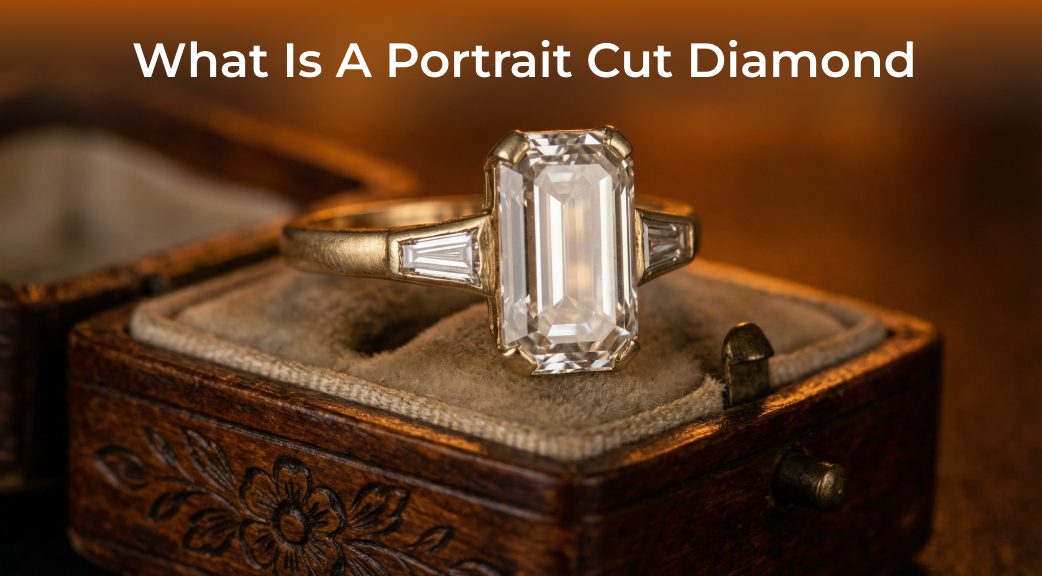
If you’ve been scrolling through Instagram or exploring designer jewellery pages, there’s a good chance you’ve paused over a piece that feels different in the best way possible. Something calm. Something minimal. Something almost poetic. That’s usually when people whisper to themselves, “Wait… what is a portrait cut diamond?”
This guide will help you understand everything related to portrait cut diamonds in simple words pricing, clarity, design choices, and key details that matter when shopping for one. Whether you want a portrait cut engagement ring, a delicate pendant, or you’re simply curious about modern diamond cuts, this is your easy to follow roadmap.
The Story Behind the Portrait Cut: Why It Feels So Different

A portrait diamond is unlike the usual brilliant-cut stones we see. Instead of sparkle, you get softness, transparency, and a window-like glow.
The portrait cut diamond can be traced back to the Mughal period, when jewellers shaped slim, glass-like diamond slices to sit over tiny painted portraits. The modern version preserves that same clean, transparent feel, just without the artwork underneath.
This connection is why people often mention Mughal portrait cut diamond history when talking about today’s portrait diamonds.
What Makes Portrait Cut Diamonds Unique?

Here are three qualities that make portrait cut diamonds stand out:
1. An almost transparent look
Since these diamonds are flat, even the tiniest micro-inclusion becomes visible — which is why portrait diamonds used in high-end jewellery appear exceptionally clean.
2. A thin diamond slice
The flat diamond slice shape makes it lightweight and airy. It sits close to the skin and feels soft and elegant.
3. A modern-meets-historical vibe
You get a rare fusion of ancient royal craftsmanship and modern minimalist style.
How Portrait Cut Diamonds Are Made
Crafting a portrait cut diamond requires careful, delicate shaping. Because the diamond is extremely thin, cutters must work precisely — there is no depth to hide flaws. This is why portrait cut diamond quality relies heavily on expert craftsmanship.
Rose Cut vs Portrait Cut Diamonds: What’s the Difference?

You may often hear rose cut vs portrait cut diamonds compared. Here’s the simple difference:
- Rose Cut: dome-shaped with triangular facets; gives shimmer
- Portrait Cut: flat, glasslike, with calm transparency
If you want sparkle, choose rose cut. If you want clear, quiet beauty, choose portrait cut.
How Much Does a Portrait Cut Diamond Cost?
The portrait cut diamond price depends on multiple factors:
- Clarity (most important)
- Size
- Even thickness
- Transparency
- Symmetry and craftsmanship
These diamonds require extremely clean rough material, which makes many portrait stones more expensive per carat. But since they’re flat, you usually pay for less weight while getting a larger face-up look.
How to Choose the Right Portrait Cut Diamond
- Check clarity first: inclusions are highly visible.
- Check transparency: avoid cloudy or foggy slices.
- Review thickness: too thin chips; too thick loses elegance.
- Ask about craftsmanship: handmade portrait cut jewellery usually has better finishing.
Best Clarity Grade for Portrait Cut Diamonds

The preferred clarity grades are VVS or VS because the diamond’s transparent structure reveals everything. However, an SI diamond can also work if the inclusion sits near the edge.
Portrait Cut Diamonds in Jewellery
Designers love portrait diamonds because the stone looks like a calm window. It pairs beautifully with bezel settings, vintage frames, and modern minimal rings.
You’ll often find them in:
- Diamond ring designs
- Bezel-set engagement rings
- Minimal pendants
- Bespoke designer jewellery
Are Portrait Cut Diamonds Good for Engagement Rings?
If you want sparkle, portrait cut diamonds are not for you. But if you want elegance, transparency, and rarity — yes, they’re perfect.
With a bezel setting, they are strong enough for daily wear.
Portrait Cut Diamond Buying Guide (Quick & Simple)
- Start with clarity.
- Check thickness and transparency.
- Avoid cloudy slices.
- Choose bezel settings for security.
- Ask for certificates.
- Verify if the slice is natural or laser-thinned.
Why Designers Prefer Portrait Cut Diamonds
Portrait cut stones allow creative freedom. Their simplicity enhances both modern minimal designs and ornate vintage settings.
Are Portrait Cut Diamonds Good for Daily Wear?
Yes — as long as you choose a bezel or protected setting that guards the thin edges.
Pricing Breakdown: What You Actually Pay For
Portrait diamond cost varies because:
- Each slice is unique
- Supply is limited
- Transparency varies widely
- Craftsmanship makes a big difference
FAQs
1. What makes portrait cut diamonds unique?
The combination of transparency, a soft glow, and a thin polished slice makes them unlike any other diamond style.
2. How to choose a portrait cut diamond?
Focus on clarity, transparency, and even thickness. A good portrait diamond looks clean when tilted under light.
3. Are portrait cut diamonds expensive?
Yes, they can be expensive because only very clean rough stones can be used. But since they’re flat, you may get a bigger surface look for less carat weight.
4. Difference between rose cut and portrait cut diamonds?
Rose cuts sparkle. Portrait cuts stay flat and clear like a window.
5. Why do designers prefer portrait cut diamonds?
Because their simplicity lets designers create modern, vintage, or custom frames without overpowering the stone.
Related Blogs
- Diamond Colour Explained: From D to Z
- Diamond Clarity Explained: From Flawless to Included
- 1 Carat Diamond Price in India (2025): Factors, Trends, and Expert Buying Tips
- Why Red Diamonds Are the Rarest and Most Expensive Gems on Earth
- Debunking the Top 7 Myths About Diamond Jewellery
- What Is Diamond Made Up Of? Natural, Lab Grown & Man Made Diamonds Explained
Leave a Reply