

When choosing a diamond ring for everyday use, the setting matters just as much as the diamond itself. The setting determines how securely the diamond is held, how protected it is from damage, and how practical the ring is for daily wear. This is why many buyers compare bezel setting vs prong setting to understand which option is safer in the long run.
Both settings are popular and visually appealing, but they offer very different levels of protection and wearability. Let’s explore how each setting performs in real-life daily use.
Bezel Setting vs Prong Setting: Quick Comparison

This table highlights the key differences between bezel and prong settings, especially in terms of safety, durability, and suitability for everyday wear.
| Comparison Factor | Bezel Setting | Prong Setting |
|---|---|---|
| Diamond Protection | Diamond fully or partially enclosed | Diamond held by metal prongs |
| Safety for Daily Wear | Very high | Moderate |
| Risk of Snagging | Minimal | Higher |
| Exposure to Impact | Low | High |
| Maintenance Needs | Low | Regular prong checks required |
The comparison shows that bezel settings prioritise protection, while prong settings focus more on visibility and sparkle.
What Is a Bezel Diamond Setting?
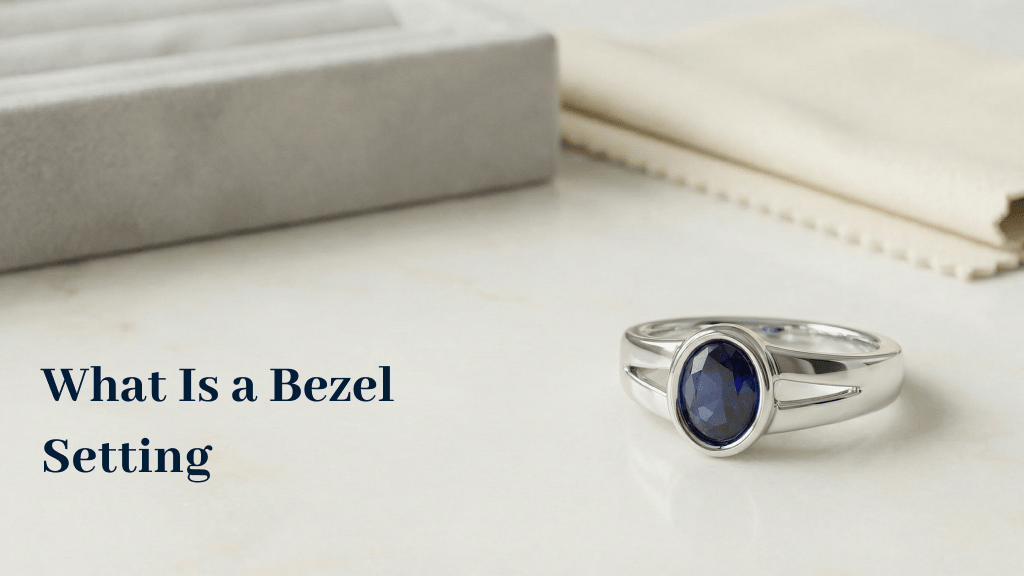
A bezel setting surrounds the diamond with a thin rim of metal that holds it securely in place. The metal edge covers the diamond’s girdle, offering strong protection from knocks, chips, and everyday wear.
Because the diamond is well secured, bezel settings are often chosen for diamond rings that are worn daily, especially by people with active lifestyles.
What Is a Prong Setting Diamond?

A prong setting uses small metal claws usually four or six to hold the diamond in place. This allows more light to enter the diamond, enhancing brilliance and sparkle.
While prong settings look delicate and elegant, the exposed edges and corners of the diamond make them more vulnerable during daily activities.
Which Diamond Setting Is Safer for Daily Wear?

Safety in daily wear depends on how well the diamond is protected from impact, friction, and accidental knocks.
Bezel settings are generally safer for daily wear. The surrounding metal acts as a shield, reducing the risk of chipping or loosening. Prong settings can be safe too, but they require more careful handling and regular maintenance.
Durability & Maintenance Comparison

Over time, everyday activities can affect a ring’s condition, especially if it’s worn continuously.
Bezel settings require minimal maintenance and are less likely to loosen. Prong settings, however, need periodic checks because prongs can bend or wear down, increasing the risk of the diamond becoming loose.
Comfort & Practical Use
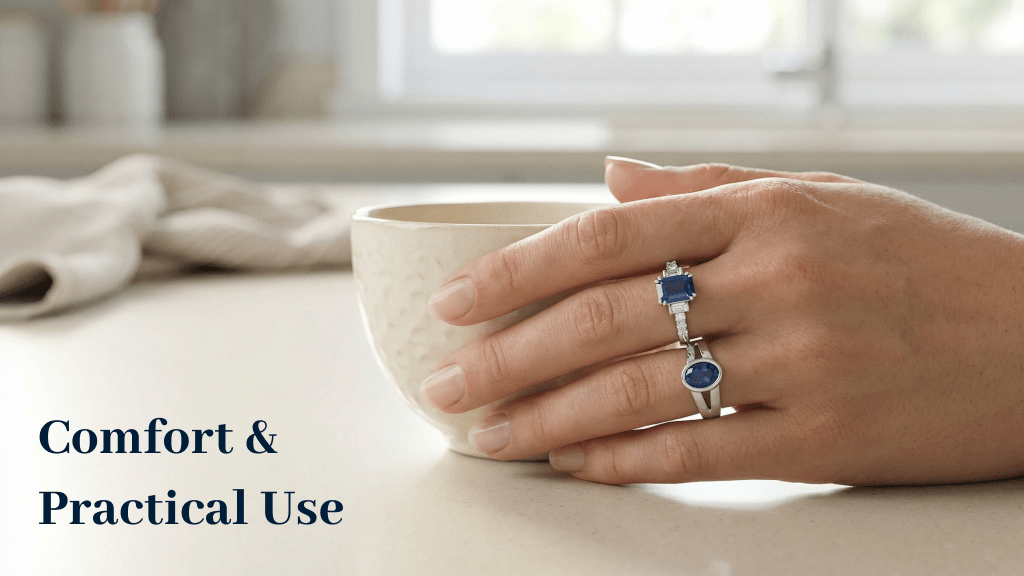
Comfort plays a big role when wearing a ring every day, particularly for work or household activities.
Bezel settings sit smoothly against the finger and are less likely to snag on clothing. Prong settings can sometimes catch on fabric or hair, which may feel inconvenient for daily wear.
Appearance & Sparkle

While safety is important, appearance is often a deciding factor for many buyers.
Prong settings maximise sparkle because more of the diamond is exposed to light. Bezel settings slightly reduce light entry, but modern designs still offer excellent brilliance with a sleek, contemporary look.
Final Verdict: Bezel Setting or Prong Setting?
Both settings have their strengths, but they suit different lifestyles and priorities.
If safety, durability, and low maintenance are your priorities, bezel settings are the better choice for daily wear. If maximum sparkle and a classic look matter more, prong settings remain a popular option—just with extra care.
FAQs
Here are answers to some common questions buyers ask when choosing between bezel and prong diamond settings.
1. Is a bezel setting more secure than a prong setting?
Yes. A bezel setting securely surrounds the diamond, making it less likely to loosen or chip compared to a prong setting.
2. Do bezel settings reduce diamond sparkle?
Bezel settings slightly reduce light entry, but modern bezel designs still offer excellent brilliance and shine.
3. Are prong settings safe for everyday wear?
They can be, but prong settings need regular checks to ensure the prongs haven’t bent or loosened over time.
4. Which setting is better for an active lifestyle?
Bezel settings are better suited for active lifestyles because they protect the diamond from impact and snagging.
5. Which setting is easier to maintain?
Bezel settings are easier to maintain, while prong settings require periodic inspections and tightening.
Related Blogs
- Cushion Cut vs Oval Cut Diamond Rings: Which Shape Looks Bigger on the Finger?
- Round Cut vs Princess Cut Diamond Rings: Which Is More Brilliant?
- Debunking the Top 7 Myths About Diamond Jewellery
- What Is Diamond Made Up Of? Natural, Lab Grown & Man Made Diamonds Explained
- What Is a Portrait Cut Diamond? Pricing, Quality & Buying Guide
Leave a Reply