
A cathedral setting is a ring design where two arching metal curves rise from the band on either side of the centre stone, lifting it higher above the finger. These arches resemble the soaring archways of a Gothic cathedral, which is exactly where the name originates. The elevated position allows more light to enter the stone from below, which intensifies its brilliance and makes the diamond appear larger and more prominent on the hand. Cathedral settings appear most commonly in diamond rings for women and rank among the most popular choices for solitaire engagement rings because of their elegant, architectural appearance. If you are evaluating diamond rings and comparing setting styles, this guide covers everything you need to know about the cathedral setting before making a decision.
What Is a Cathedral Setting?
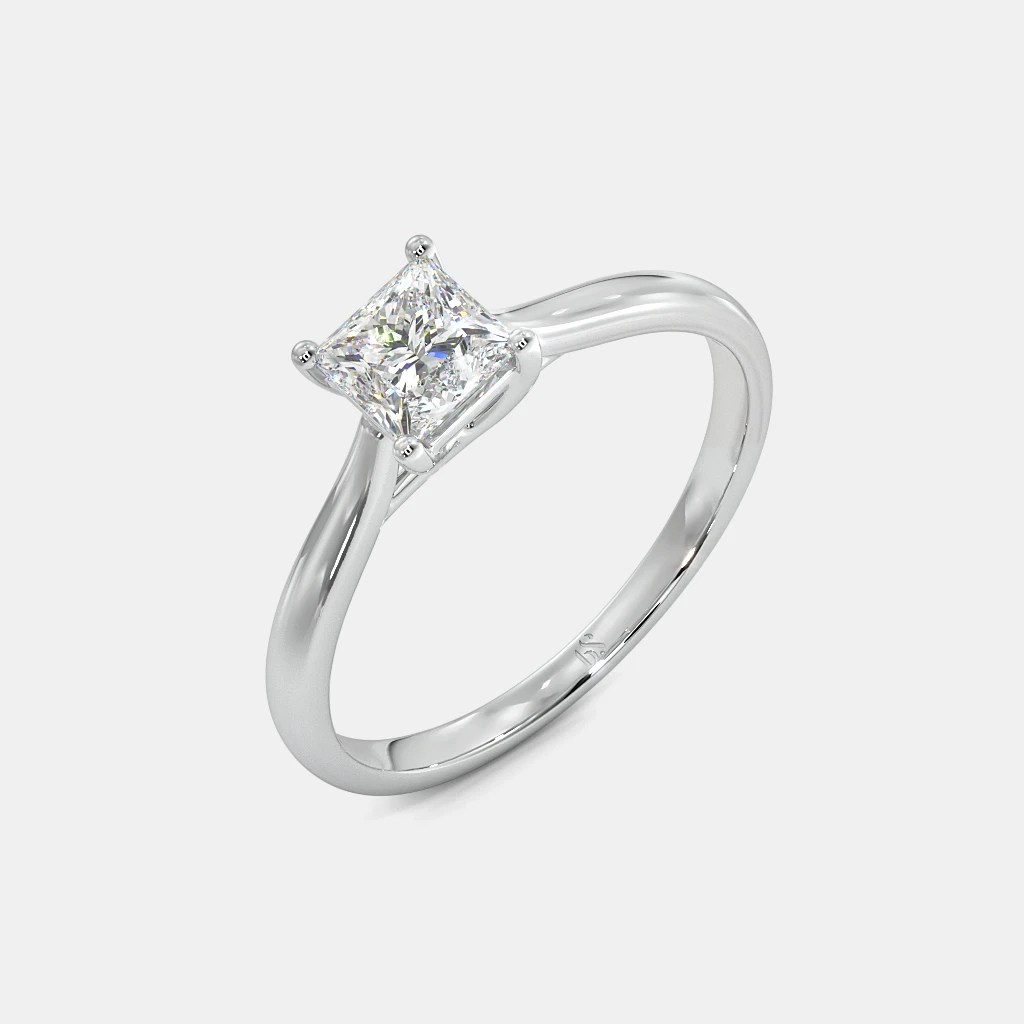
A cathedral setting is a style of ring mounting where the metal band sweeps upward in two graceful arches on either side of the centre stone, supporting and elevating it above the level of the finger. The arches connect to the base of the stone’s setting and create a secure structural frame that resembles the flying buttresses and pointed archways found in Gothic cathedral architecture.
The defining visual feature of a cathedral setting is height. The centre stone sits noticeably higher than it would in a flush or bezel setting, and the arching shoulders of the band create a dramatic, elevated profile when viewed from the side. This height is both a design statement and a functional feature because it allows light to enter the stone from multiple angles, including from below, which maximises the diamond’s fire and brilliance.
Cathedral settings appear in several variations:
- Classic solitaire cathedral: A single centre diamond elevated by two symmetrical arches with no side stones
- Cathedral with side stones: Arching shoulders accented with pave, channel-set, or prong-set diamonds along the band
- Split shank cathedral: The band divides into two strands before curving up to meet the centre stone, creating an open, airy silhouette
- Cathedral with halo: A halo of smaller diamonds surrounds the centre stone while the cathedral arches lift the entire cluster
Each variation retains the characteristic arched elevation that defines the cathedral style, while adding its own layer of detail and visual complexity.
Why Is It Called a Cathedral Setting?
The cathedral setting takes its name directly from the architectural style of Gothic cathedrals built across Europe between the 12th and 16th centuries. These buildings feature soaring pointed arches, ribbed vaults, and flying buttresses that carry structural weight upward and outward, creating the impression of height and lightness simultaneously.
A cathedral ring setting mirrors this architectural logic precisely. The metal arches that rise from the band to support the centre stone perform the same structural role as a Gothic arch, carrying the weight and pressure of the prongs and stone upward while maintaining visual elegance. When you view a cathedral setting ring from the side, the profile of the arching shoulders bears a clear visual resemblance to the pointed archways of a cathedral nave.
The name also captures the emotional quality of the design. Cathedral architecture evokes grandeur, permanence, and a sense of occasion. Jewellery designers borrowed not just the structural form but also the aesthetic ambition, creating a ring style that feels elevated and significant in ways that a flat band setting does not. This combination of architectural reference and emotional resonance explains why the cathedral setting has remained one of the most enduringly popular engagement ring styles across decades.
What Is the Difference Between a Cathedral Setting and a Prong Setting?
Many buyers encounter these two terms together and assume they describe the same thing. They do not. A prong setting and a cathedral setting describe different aspects of ring design, and a single ring can incorporate both simultaneously.
Here is a clear breakdown of what each term means:
| Feature | Prong Setting | Cathedral Setting |
|---|---|---|
| What it describes | How the stone is held | How the band is shaped |
| Mechanism | Metal claws grip the stone | Arched metal shoulders elevate the stone |
| Stone height | Depends on prong length | Always elevated above the band |
| Can they combine? | Yes, most cathedral rings use prongs | Yes, cathedral arches often hold prong-set stones |
| Design focus | Stone security and visibility | Architectural elevation and silhouette |
| Other combinations | Bezel, channel, pavé | Can combine with any stone-holding method |
A prong setting refers specifically to the metal claws that grip the girdle of the diamond and hold it in place. A cathedral setting refers to the architectural shape of the band and shoulders that rise to meet the stone. Most cathedral diamond rings for women use prong settings to hold the centre stone within the elevated cathedral frame, which means the two terms describe complementary rather than competing design choices.
What Is the Difference Between a Cathedral Setting and a Regular Setting?
The term “regular setting” typically refers to lower-profile designs where the stone sits close to the band rather than being elevated significantly. Comparing a cathedral setting to a regular or standard setting reveals meaningful differences in aesthetics, wearability, and practical considerations.
The most common lower-profile alternatives to the cathedral setting include the bezel setting, where metal surrounds the entire circumference of the stone, and the flush setting, where the stone sits level with the surface of the band.
Key differences between a cathedral and a regular setting include:
- Stone height: Cathedral settings position the stone noticeably higher above the finger. Regular settings keep the stone lower and closer to the hand
- Light performance: The elevated cathedral position allows light to enter the stone from below, which enhances brilliance. Lower settings restrict light entry from beneath
- Visual impact: Cathedral settings create a dramatic, sculptural profile. Regular settings appear understated and minimal
- Snagging risk: Elevated cathedral settings catch on clothing, hair, and fabrics more easily than low-profile regular settings
- Cleaning access: The open space beneath an elevated cathedral setting makes cleaning easier because a brush reaches all facets. Bezel and flush settings trap dirt around the stone’s base
- Finger coverage: The arching shoulders of a cathedral setting cover more of the finger length, which can create the illusion of a more slender finger for diamond rings for women
Cathedral Setting Pros and Cons
Every ring setting involves trade-offs between aesthetics, durability, and practical wearability. The cathedral setting offers genuine advantages and real disadvantages, and understanding both helps you decide whether it suits your lifestyle and preferences.
Pros of a Cathedral Setting
The cathedral setting delivers several compelling benefits that explain its lasting popularity across engagement ring styles:
- Enhanced brilliance: The elevated position allows light to enter the diamond from all angles including below, intensifying sparkle and fire in ways that lower settings cannot match
- Larger visual appearance: Raising the stone above the band makes it appear more prominent and larger on the finger without requiring a bigger diamond
- Elongated finger illusion: The arching metal shoulders extend along the finger and create a slimming, elongating visual effect on the hand
- Architectural elegance: The distinctive curved silhouette gives cathedral settings a sculptural quality that many buyers find more visually interesting than flat band styles
- Cleaning ease: The open space beneath the elevated stone gives cleaning tools direct access to all facets, keeping the diamond looking its best with minimal effort
- Versatility with centre stone shapes: Cathedral arches suit round brilliants, oval cuts, cushion cuts, and pear shapes equally well, giving buyers flexibility in stone selection
Cons of a Cathedral Setting
The cathedral setting also carries practical disadvantages that buyers with active lifestyles or specific hand proportions should consider carefully:
- Snagging on fabrics: The elevated stone and high arching shoulders catch on knitwear, silk, hair, and bag linings more frequently than low-profile settings
- Vulnerability to impact: A higher stone position exposes the diamond to more direct contact with surfaces during everyday activities like cooking, exercising, or carrying bags
- Can overwhelm smaller hands: Very pronounced cathedral arches can appear disproportionately large on shorter fingers or narrower hands
- Harder to stack: The elevated profile makes it difficult to wear complementary bands flush against a cathedral engagement ring without gaps or misalignment
- Resizing complexity: The arched shoulders make resizing more technically demanding than simple band styles, which can increase jeweller fees for future adjustments
How to Choose the Right Cathedral Setting for Your Hand
Selecting the right variation of cathedral setting involves matching the design’s proportions to your hand shape, finger length, and lifestyle. A well-chosen cathedral ring enhances your natural features rather than competing with them.
Consider these factors when choosing among cathedral diamond rings:
- For shorter fingers: Choose a lower cathedral arch with a longer centre stone shape like oval or pear, which extends the visual line of the finger without adding too much height
- For longer fingers: A higher cathedral arch with a round brilliant or cushion cut suits longer fingers well and fills the space proportionally
- For active lifestyles: Opt for a lower cathedral profile that retains the arched aesthetic while reducing the stone’s exposure to daily impact
- For stacking: Choose a low-profile cathedral setting or a split shank variation that leaves room for a fitted wedding band to sit flush alongside it
- For maximum brilliance: A high cathedral solitaire with a round brilliant cut and four or six prongs delivers the most light performance of any setting combination
Final Thoughts
The cathedral setting earns its enduring popularity because it delivers something most ring styles cannot: architectural drama combined with genuine functional benefits for the diamond’s light performance. The arching shoulders, elevated centre stone, and sculptural silhouette make cathedral diamond rings immediately recognisable and consistently striking on the hand. Like any setting, it suits certain lifestyles and hand types better than others, and understanding the trade-offs ensures you choose a ring you will love wearing every single day. For buyers who want their diamond rings for women to command attention and maximise brilliance, the cathedral setting remains one of the most rewarding choices in fine jewellery.
Frequently Asked Questions
What is a cathedral setting?
A cathedral setting is a ring design where the metal band curves upward in two arching shoulders on either side of the centre stone, elevating it above the finger. The arches resemble Gothic cathedral architecture, which gives the style its name, and the elevated position enhances the diamond’s light performance and visual presence.
Why is it called a cathedral setting?
The name comes from the arched architectural elements found in Gothic cathedrals, particularly the pointed arches and flying buttresses that carry structural weight upward elegantly. The ring’s metal shoulders mirror this arching form, rising from the band to support and elevate the centre stone in a way that visually echoes cathedral architecture.
What is the difference between a cathedral setting and a prong setting?
A prong setting describes how the diamond is held, using metal claws that grip the stone’s girdle. A cathedral setting describes how the band is shaped, with arching shoulders that elevate the stone above the finger. Most cathedral rings use prong settings to hold the stone within the elevated cathedral frame, so the two terms describe different design elements that often appear together.
What is the difference between a cathedral setting and a regular setting?
A cathedral setting elevates the centre stone significantly above the band using arching metal shoulders, which enhances brilliance and creates a dramatic profile. A regular or low-profile setting keeps the stone closer to the band, which reduces snagging risk and suits active lifestyles but sacrifices some of the visual drama and light performance that the cathedral elevation provides.
Does a cathedral setting make the diamond look bigger?
Yes, the elevated position of a cathedral setting makes the centre diamond appear larger and more prominent on the finger because the stone rises above the band and becomes the undisputed focal point of the ring. The arching shoulders also draw the eye toward the stone and create a sense of scale that lower-profile settings do not achieve as effectively.


Leave a Reply