
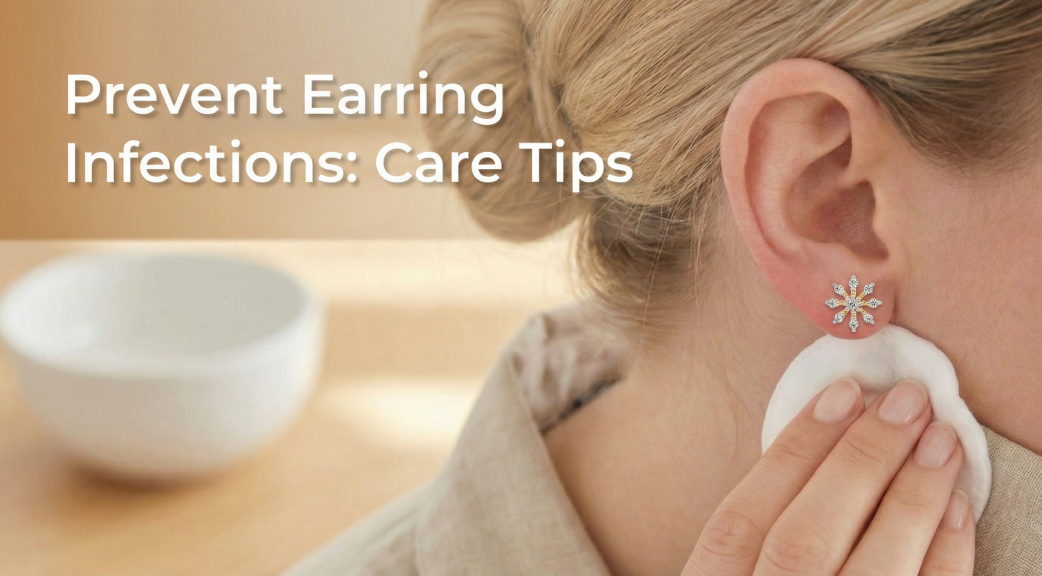
Hello! If you’ve recently had your ears pierced or are considering it, chances are, you’re jumping with excitement. New piercings are a great way to let your style shine, whether you’re going for a low-key stud or something edgy. But let’s keep it real, nothing ruins the mood quicker than an infection. That’s why it’s so important to learn how to avoid earring infections, particularly with new piercings.
Here, we’re going to explore good tips for keeping your ears healthy and happy. We’ll tell you all about tips on caring for new piercings, right through to the reasons infections occur in the first place. Trust me, with a little know how, you can avoid the redness, swelling, and pain that come with issues like ear piercing infections. I’ve gone through the piercing experience myself a few times, and I recall the fear of not knowing if that tiny itch was normal or a sign of something going wrong. The silver lining? Most infections can be avoided with easy habits. First-timer, or just need a reminder? These earring infection prevention methods will have you healing like a pro. Let’s dive in!
Why Do Earrings Cause Infections?

Figuring out the origin is the first step to determining how to avoid ear infections. Infections tend to result from bacteria getting into the piercing area. When you become pierced, it’s really a little wound, and if not maintained properly, germs from dirty fingers, unsterilised instruments, or even your hair can intrude.
Likely villains are poor hygiene during the ear piercing or aftercare. For example, if the piercer uses dirty equipment, or if your dirty hands touch your ears, bacteria such as Staphylococcus can flourish. Allergies are also to blame, nickel in cheap jewellery is a prime culprit, irritating and sometimes causing or mimicking infection.
Humidity and sweating can make it worse, particularly during warmer weather. And then there’s sleeping on grimy pillows or chlorinated pools too quickly after piercing. The moral of the story? Infections aren’t necessary; they’re more often a product of detailed neglect. By paying attention, you can avoid these missteps and sport your new piercing without incident.
How to Care for New Ear Piercings

Learning how to take care of new ear piercings can be the difference between a great experience and a painful one. Immediately after the piercing, your piercer will provide you with aftercare directions, use them verbatim! Most healing occurs within 6-8 weeks for earlobes and more time for cartilage.
Begin with gentle cleansing twice a day. Clean with a saline solution, or piercing-specific spray, whichever is most convenient for you. Don’t use alcohol or hydrogen peroxide, they’re too harsh and disrupt the healing process. Rotate the earring slowly while cleaning to keep it from sticking, but do not twist too much; twisting excessively irritates the skin.
Hands off! Bacteria are introduced when you touch, so wash your hands well if you have to make any adjustments. Rest on clean pillowcases, and don’t wear tight hats or headphones that squeeze against the area. If you are physically active, shower yourself dry after you’ve exercised to prevent moisture buildup. Diet counts too, optimise your immune system with vitamin C-containing foods such as oranges or zinc from nuts. If you see small crusting, it’s normal discharge, but be careful of excessive pus or fever, which indicate trouble. Be patient; haste in trying to change earrings can reopen the wound.
How to Clean Earrings Safely
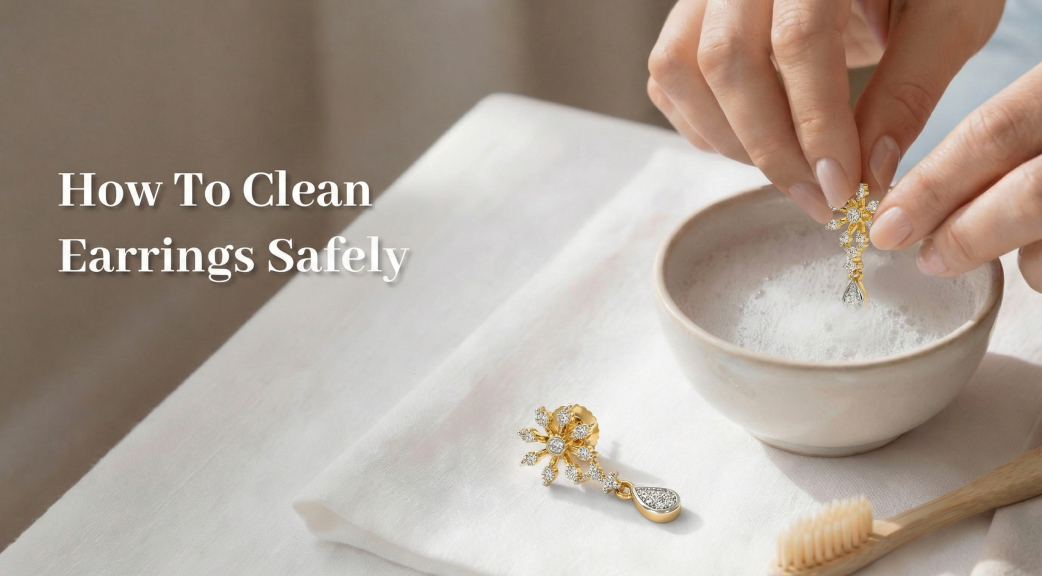
Cleaning your earrings isn’t just about sparkle, it’s essential for earring infection prevention. Dirty earrings harbour bacteria, so make it a routine.
For everyday use, clean them with a soft cloth after taking off. For in-depth cleaning, soak in warm soapy water (gentle dish soap is fine) for 5-10 minutes, and then gently scrub with a soft toothbrush. Curious about how to safely clean earrings without ruining them? Steer clear of tough chemicals such as bleach. For gold or silver, a baking soda paste (made with water) polishes away dirt naturally. Wash them well and dry thoroughly before storing.
If your earrings are for new piercings, don’t remove them during the healing phase unless advised. Instead, clean around the piercing site. Pro tip: Use alcohol-free wipes for on-the-go touch-ups. Store earrings in a dry, clean box to avoid dust accumulation. This minor habit keeps infection away and prolongs your jewellery’s life.
Best Earrings for Sensitive Ears

If your skin is sensitive, making the right choice of earrings is a game-saver in how not to get an ear-piercing infection. Hypoallergenic metals such as surgical steel, titanium, or 14k gold reduce reactions. Nickel-free is absolute, it’s an allergen present in most people and triggers itching and swelling.
For everyday wear, use gold earrings; they’re comfortable on ears and luxurious. They’ll be less likely to tarnish or irritate, so they’re great for new piercings. If you’re a guy who’d prefer something low-key, a men’s stud in titanium isn’t a bad idea, it’s plain, strong, and resistant to infection.
Men’s earring fashion has advanced greatly, with hypoallergenic hoops or bars that keep up with active lives without a hitch. For women, women’s earring options are numerous, but limit them to good-quality ones such as sterling silver with rhodium plating to prevent allergies. When shopping, ensure “hypoallergenic” labelling. Keep in mind, even the best quality is prone to improper care. Clean them frequently to avoid buildup.
How to Avoid Ear Piercing Infection
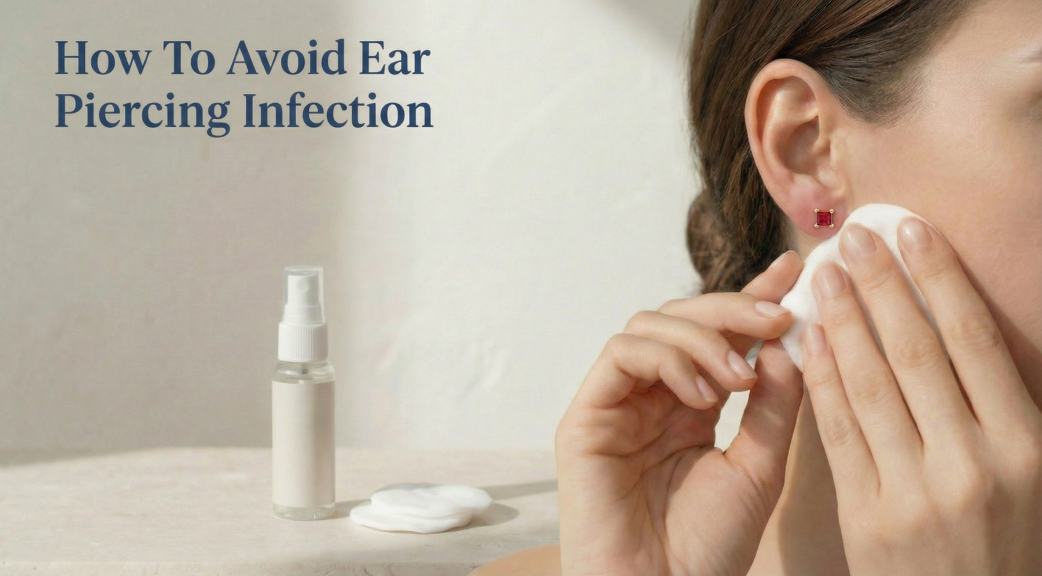
Prevention is better than a cure, so let’s concentrate on prevention of ear-piercing infection through practical steps. First, select a good piercer. Read reviews and make sure they only use single-use needles, not guns, which may lead to trauma. After piercing, adhere to the aftercare regime faithfully. Clean twice a day, do not submerge in water (such as baths or swimming pools) for two weeks at least, and do not exchange earrings too soon.
Wear breathable clothing next to your ears, and keep hair back to minimise contact. Enhance cleanliness: wash hands before handling, and sanitise phones or earbuds that come into contact with your lobes. New piercing aftercare advice is to look for signs such as slight redness (normal) as opposed to hot, throbbing pain (not). If unsure, seek advice of a professional. These routines make would-be issues non-problems, allowing you to show off your piercings without hesitation.
How to Heal Infected Piercings

Despite the best of intentions, infections occur. But knowing how to treat infected piercings can hasten healing. Take a deep breath: don’t panic; minor cases clear up with home treatment. Know the symptoms: pus, excessive swelling, or fever signal see a doctor immediately to eliminate complications.
For small infections, continue saline soaks 2-3 times a day. Use warm compress to bring out pus, but never squeeze. Over-the-counter antibiotic ointment may assist, but use with caution if allergic.
Conclusion
Healing does take time, but proper care will have you back to normal in no time! In short, prevention of earring infections is all about proper care, wise choices, and listening to your body. Whether it’s selecting Gold Earrings or understanding how to clean earrings properly, these tips ensure your piercing experience is pleasant. Stay alert, and your ears will thank you!
FAQs
What are the earliest signs of an ear piercing infection?
Early warning signs include redness, swelling, heat, and yellow discharge.
How long do I wait before changing earrings after piercing?
Allow at least 6-8 weeks for earlobes and 3-6 months for cartilage.
Can I clean my new piercing with hydrogen peroxide?
No, it’s too severe and kills normal cells, prolonging healing. Use only saline solution or aftercare products for cleaning safely.
Are there earrings that won’t trigger allergies?
Yes, utilize hypoallergenic metals like titanium, surgical steel, or 14k gold. These are great for sensitive ears and reduce irritation.
What do I do if my piercing becomes infected while traveling?
Have saline cleans, warm compress, and antibiotic ointment pack available.If bad, seek local doctor or piercer for guidance.
Related Blogs:
- What are the Benefits of Nose Piercing?
- Helix Piercings 101: What Are Helix Earrings, Pain, Healing, and What to Expect
- Everything You Need to Know Before Getting Your First Nose Piercing
- Ear Piercing 101: A Guide to 7 Types of Piercings to Consider
Leave a Reply