
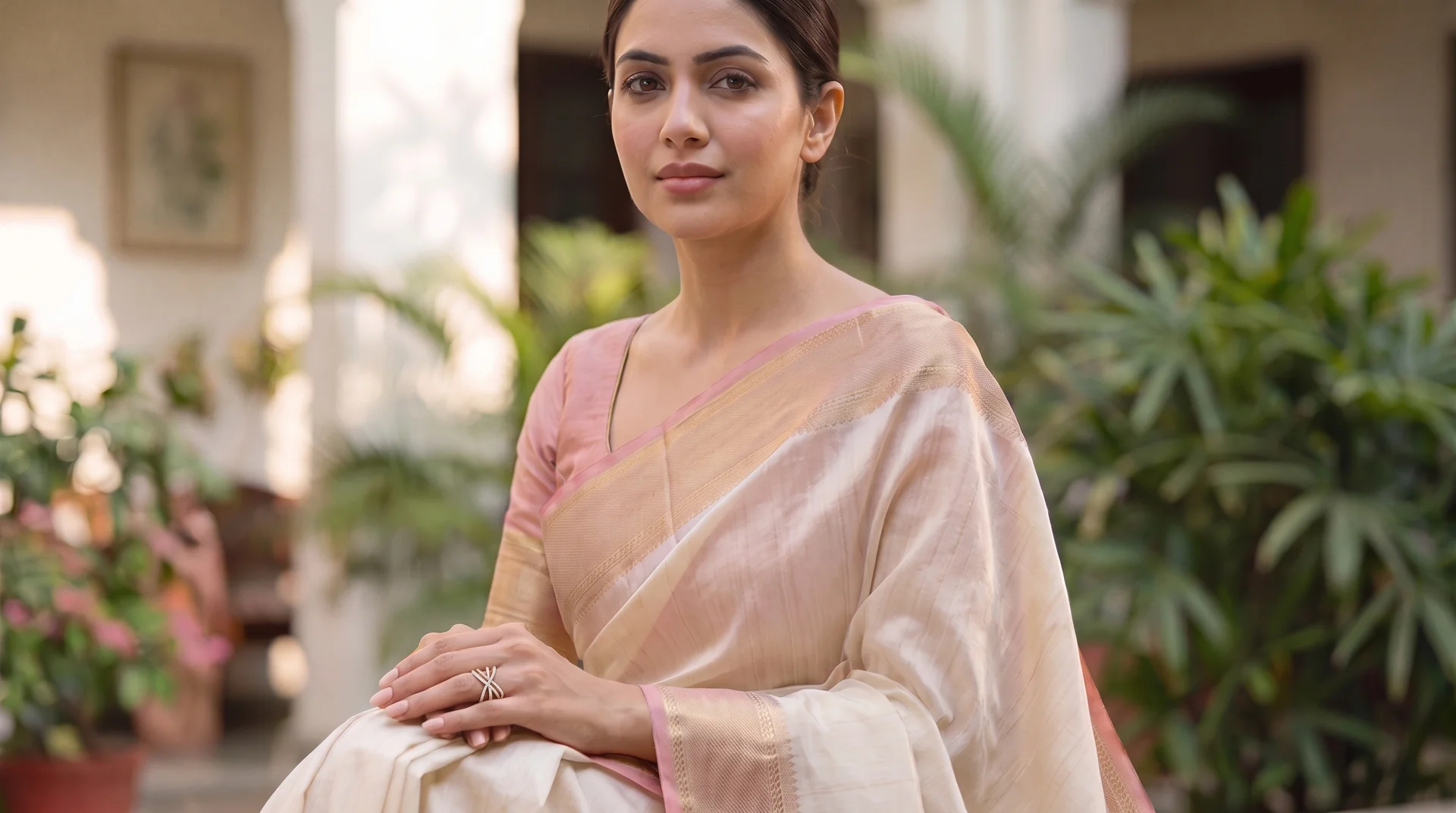
Selecting the ideal female wedding gold ring design is among the most intimate, symbolic, and enduring decisions in a bride's jewellery journey. Unlike ceremonial bridal necklaces or heavy choker sets that are reserved for auspicious festivals and grand celebrations, a wedding ring is designed to be worn continuously. It rests against your skin through boardroom presentations, morning coffees, gym workouts, weekend travels, and quiet family evenings at home. It serves as both a public declaration of marital union and a deeply personal reflection of your individual aesthetic sensibility.
By Satyam, BlueStone Editorial
In 2026, modern Indian brides are redefining bridal jewellery traditions. While heritage yellow gold continues to carry immense cultural and emotional weight, contemporary brides are seeking wedding rings that harmonize ceremonial grace with everyday ergonomic practicality. Today's bride looks beyond conventional plain gold bands, embracing architectural crossover profiles, contoured chevron wishbone bands that fit flush against solitaire engagement rings, and sparkling eternity bands set with conflict-free, certified diamonds. However, navigating the intersection of metallurgical purity (22K versus 18K gold), ergonomic band cross-sections, diamond setting resilience, accurate knuckle sizing, and mandatory government certification can feel overwhelming.
This comprehensive buying guide provides an authoritative, expert roadmap to navigating the modern universe of female wedding rings. We examine the structural properties of gold alloys, evaluate trending 2026 design architectures, detail precision home sizing methodologies, demystify Bureau of Indian Standards hallmarking, and offer practical bridal stacking frameworks. Whether you seek a timeless plain gold band of pure elegance or a radiant diamond-accented statement piece, this guide will empower you to invest in a wedding ring that delivers enduring joy, effortless comfort, and heirloom longevity.
Female Wedding Gold Ring Design Trends in 2026: The Modern Bridal Spectrum
The aesthetic landscape of the female wedding gold ring design has evolved dramatically over recent years. Historically, wedding rings in Indian ceremonies were predominantly heavy, broad 22K plain bands or ornate stamped gold rings presented during the engagement or blessing rituals. In 2026, bridal design has embraced personal expression, lightweight structural engineering, and multifaceted wearability. Modern women demand rings that transition seamlessly from traditional Indian bridal trousseaus to contemporary western corporate attire.
Leading fine jewellery ateliers have responded with distinct design categories that cater to diverse lifestyle needs and personal aesthetics. Below are the four defining design movements characterizing gold wedding rings for women in 2026:
- Minimalist Sculptural Bands: Prioritizing fluid geometry and tactile comfort, sculptural bands feature organic wave contours, gentle knife-edge ridges, or intertwined bypass ribbons of solid gold. These designs celebrate the raw, warm luster of polished metal without requiring gemstone embellishment, making them virtually maintenance-free and perfectly suited for women in healthcare, culinary arts, or active sports.
- Diamond-Accented Eternity and Half-Eternity Bands: Representing unbroken, everlasting devotion, eternity bands incorporate a seamless row of brilliant-cut diamonds encircling the finger. While full eternity rings showcase 360-degree sparkle, half-eternity designs have surged in popularity in 2026 because they concentrate diamonds on the visible top half while maintaining smooth, solid gold along the palm side for maximum comfort and future resizing flexibility.
- Contoured Chevron and V-Shaped Wishbone Rings: Specifically engineered to solve the age-old dilemma of stacking a wedding ring with a prominent engagement ring or gemstone solitaire, chevron bands feature a graceful dip or V-point. This architectural recess cradles the central stone of your engagement ring, creating a cohesive, gap-free bridal nest that looks intentional and sophisticated.
- Floral and Heritage Filigree Motifs: Honoring royal Indian goldsmithing traditions, these rings incorporate micro-filigree lace, delicate petal motifs, and milgrain beading along the borders. Often cast in warm 18K yellow or rose gold, they channel the opulent grandeur of Mughal and Rajput heritage while maintaining a slender, lightweight silhouette tailored for daily wear.
Whether your personal taste gravitates toward minimalist architectural bands or sparkling vintage clusters, understanding how these designs behave on the finger ensures you choose a style that looks breathtaking both on your wedding day and twenty years down the line. Explore BlueStone's curated handcrafted gold rings collection to witness these 2026 aesthetic innovations handcrafted in certified gold.
Understanding Gold Purity: 22K vs 18K vs 14K for Gold Wedding Rings for Women
When investing in gold wedding rings for women, the first and most critical technical decision revolves around gold purity. In traditional Indian households, 22-karat gold has long been revered as the standard of purity and investment security. However, selecting jewellery designed for daily, relentless physical contact requires a clear understanding of metallurgical properties and mechanical durability. Pure 24K gold is inherently soft, malleable, and easily deformed, making it impractical for fine jewellery mounts and impossible for secure diamond settings.
To achieve the structural integrity necessary for daily wear, gold is alloyed with noble strengthening elements, including copper, silver, zinc, and palladium. Each gold purity tier offers distinct advantages and trade-offs that every bride should carefully weigh:
- 22-Karat Gold (91.6% Pure Gold | 22K916): 22K gold features a deeply saturated, buttery warm yellow glow that represents quintessential Indian bridal tradition. However, its high gold percentage makes the metal relatively soft. Over months of constant wear, a 22K band can slowly develop surface scratches, minor dents, or even bend out of round under firm pressure against door handles, steering wheels, or gym dumbbells. Furthermore, 22K gold cannot securely hold delicate diamond prongs; prongs can loosen, risking gemstone loss. 22K is best reserved for solid, plain gold wedding bands of generous thickness that will not be subjected to heavy physical labor.
- 18-Karat Gold (75.0% Pure Gold | 18K750): Universally recognized as the global benchmark for luxury bridal jewellery, 18K gold strikes the perfect golden ratio between precious metal purity and mechanical strength. Containing 75% pure gold combined with 25% strengthening alloys, 18K provides outstanding tensile strength and wear resistance. It firmly anchors diamond prongs and micro-pavé settings while retaining a radiant, rich golden hue that is virtually indistinguishable from 22K to the naked eye. For any bride choosing a diamond-set or intricately sculpted wedding ring, 18K gold is the undisputed recommendation.
- 14-Karat Gold (58.5% Pure Gold | 14K585): Containing 58.5% pure gold and 41.5% alloy metals, 14K gold offers maximum hardness and scratch resistance at an accessible price point. Its subtle, lighter yellow tone appeals to brides who prefer understated, contemporary aesthetics. It is extraordinarily resilient against active lifestyles, accidental impacts, and rigorous manual work, making it a popular choice for minimalist everyday bands.
Beyond yellow gold, 18K alloys allow for stunning color variations. Rose gold incorporates higher copper ratios to create a romantic, blushing pink tone that flatters warm Indian skin complexions beautifully. White gold is alloyed with palladium, silver, or nickel and finished with an ultra-reflective rhodium plating, delivering a crisp, platinum-like mirror finish that accentuates diamond brilliance. For deeper technical insights on testing precious metals, read our comprehensive how to check gold purity guide.
Classic vs Contemporary Gold Wedding Ring Designs: Finding Your Bridal Aesthetic
Every bride possesses a unique personal style that extends from her bridal lehenga to her daily casual wardrobe. Navigating gold wedding ring designs involves choosing between timeless classicism and modern contemporary flair. Both design philosophies possess distinct merits, and finding the right fit depends on your aesthetic preferences, your profession, and how you envision your ring complementing your daily life.
Let us explore how classic and contemporary aesthetics compare across key design parameters:
- The Classic Bridal Aesthetic: Characterized by symmetry, clean silhouettes, and understated elegance. Classic gold wedding rings prioritize unembellished domed bands, single solitaire diamond accents, or traditional three-stone arrangements symbolizing the past, present, and future. Classic rings never go out of style. They look as effortlessly poised paired with an heirloom Kanjeevaram silk saree as they do with a white linen shirt and denim jeans. Their simplicity also makes them remarkably easy to clean and maintain at home.
- The Contemporary Bridal Aesthetic: Defined by asymmetry, architectural geometry, and innovative metalworking. Contemporary wedding rings feature open-cuff bypass bands, multi-strand highway designs, contrasting matte and high-polish gold finishes, and geometric cluster diamonds. Modern designs are created for the woman who views her wedding ring as a piece of expressive wearable art. These rings make a striking statement when worn standalone on the right hand or stacked asymmetrically.
- The Vintage-Inspired Romance: A bridge between past and present, vintage-inspired rings feature delicate milgrain borders, engraved botanical vines, scalloped lace edges, and antique cushion or pear-cut diamond halos. They appeal to brides with a passion for heirloom storytelling, old-world charm, and intricate craftsmanship that rewards close inspection.
When selecting your design direction, consider how the ring will interact with your daily tasks. A surgeon, chef, or fitness coach may prefer the sleek, snag-free profile of a classic channel-set band, whereas a creative director or corporate executive might favor the bold presence of a multi-row contemporary band. Browse BlueStone's comprehensive wedding gold rings range to discover both classic and avant-garde designs crafted with meticulous precision.
The Architecture of Comfort: Band Profiles, Widths, and Ergonomic Fit for Ladies Wedding Rings
While the visual appearance of a ring captures your heart, its internal architecture dictates whether you will enjoy wearing it every single day. A wedding ring should sit so comfortably against your skin that you frequently forget you are wearing it. In fine goldsmithing, the cross-sectional geometry of the band is known as its profile, and selecting the correct profile is fundamental when purchasing ladies wedding rings.
There are three primary band profiles utilized in modern bridal jewellery design, each offering a distinct tactile experience:
- Court Profile (Comfort Fit): Universally regarded as the pinnacle of ergonomic design, the court profile is gently domed on both the outer surface and the inner interior that touches the finger. By eliminating sharp interior 90-degree corners, a comfort-fit band glides effortlessly across swollen knuckles and distributes contact pressure evenly across the finger circumference. It allows natural air circulation, preventing skin irritation and sweat accumulation during humid summers. For anyone intending to wear their ring 24/7, a comfort-fit profile is the gold standard.
- D-Shape Profile (Traditional Fit): The D-shape band features a rounded, domed exterior surface with a completely flat, straight interior shank. This represents the classic profile of traditional Indian gold bands. It sits very close and flush to the finger, providing a sleek exterior look. However, because the inner edges are flat and angular, a D-shape ring can feel tighter when sliding over prominent knuckles and may pinch the skin during tight hand grips or heavy lifting.
- Flat Profile (Architectural Fit): Completely flat on both the outside and inside, flat bands present clean, sharp, rectangular edges. This modern, industrial silhouette provides an edgy, contemporary aesthetic that looks exceptionally chic in polished or satin-brushed gold. Flat bands must be sized with precision, as their straight inner edges provide no bevel to ease over the knuckle.
In addition to profile geometry, band width plays a critical role in both aesthetics and comfort. Band widths for women typically range between 1.8mm and 5.0mm. Slender bands (1.8mm to 2.3mm) provide a delicate, feminine look that elongates shorter fingers and stacks effortlessly alongside an engagement ring. Medium bands (2.5mm to 3.5mm) offer substantial gold presence and structural durability for daily active wear. Wide bands (4.0mm and above) serve as commanding standalone statement pieces, but require selecting a half-size larger to accommodate the greater surface area contact against the finger.
Diamond Setting Styles: Enhancing Female Wedding Rings with Timeless Brilliance
For many brides, a female wedding gold ring design achieves its ultimate beauty when illuminated by the fiery brilliance of natural diamonds. However, the setting style chosen to secure those diamonds directly influences both the ring's aesthetic radiance and its everyday durability. Setting techniques vary widely in their exposure to accidental knocks, snag hazards, and maintenance requirements.
Here is an expert breakdown of the four predominant diamond setting methods used in modern bridal bands:
- Channel Setting: In a channel setting, diamonds are suspended side-by-side between two parallel walls of solid gold, with no metal prongs separating individual stones. The gold channels protect the diamond girdles from direct impacts and completely eliminate the risk of prongs catching on delicate fabrics, silk sarees, or woolen knitwear. This makes channel-set bands one of the most practical and durable choices for active daily lifestyles.
- Prong and Shared-Prong Setting: Prong settings utilize tiny, rounded claws of solid gold to cradle each diamond, elevating the gemstone slightly above the band. By minimizing surrounding metal, prong settings allow maximum light to enter through the sides and bottom of the diamonds, unlocking unmatched fire, brilliance, and scintillation. Shared-prong designs use a single pair of prongs between adjacent stones, creating a continuous ribbon of sparkling light. While visually dazzling, prongs require periodic professional inspection to ensure claws have not snagged or shifted.
- Pavé and Micro-Pavé Setting: Derived from the French word for paved, pavé settings feature tiny diamonds set closely together in shallow surface recesses, secured by minuscule beads of raised gold. The result is a seamless carpet of glistening light that makes the entire band appear encrusted with ice. Micro-pavé adds sublime luxury to delicate 1.8mm bands, but should be treated with care and removed before heavy manual labor or gym workouts.
- Bezel and Flush Gypset Setting: A bezel setting completely surrounds the diamond with a protective collar of solid gold, while a flush (gypset) setting embeds the diamond directly into the metal band so the table of the diamond sits flush with the gold surface. Both methods offer maximum protection against chipping and zero snagging hazard, delivering clean architectural elegance with effortless daily peace of mind.
If you love the look of diamonds with maximum security, explore BlueStone's diamond studded wedding rings, where every stone is hand-selected, conflict-free, and independently certified for color and clarity.
\n
Indian Wedding Rings and Cultural Traditions: Sacred Symbolism Meets Modern Goldsmithing
The cultural significance of indian wedding rings is rooted in centuries of spiritual symbolism, family blessings, and matrimonial commitments. In Vedic traditions, pure gold is revered as the physical manifestation of Lakshmi, the goddess of prosperity, light, and auspicious beginnings. Presenting a gold ring during pre-wedding ceremonies like the Sagai, Roka, or Nishchitartham symbolizes the eternal binding of two families and the sacred promise of lifelong companionship.
While Western traditions place the wedding ring exclusively on the fourth finger of the left hand based on the ancient Roman belief in the vena amoris (the vein of love connecting directly to the heart), Indian wedding customs embrace a richer, multi-faceted practice:
- Hand Selection Customs: In many North and South Indian communities, the bride traditionally wears her engagement or wedding ring on the left ring finger, while in other regional customs, the right hand is preferred as the auspicious hand of action and dharma. Today, modern brides often choose to wear their wedding band alongside their engagement ring on the left hand, while reserving traditional heirloom rings, such as gemstone astrology bands or navratna rings, for the right hand.
- Integration with the Mangalsutra Ring: A prominent trend across Indian weddings in 2026 is the creation of coordinating bridal suites that link the wedding band with a modern mangalsutra ring or bracelet. Instead of wearing heavy ceremonial jewellery daily, contemporary brides opt for sleek gold wedding rings that feature subtle black onyx beads or matching pavé diamonds, paying homage to the sacred mangalsutra tradition while retaining a minimalist, globally versatile look.
- Auspicious Buying Dates (Shubh Muhurat): Purchasing your wedding gold during auspicious celestial windows such as Dhanteras, Akshaya Tritiya, or Pushya Nakshatra remains a cherished family ritual. Securing your ring design well ahead of your wedding date allows time for custom hallmarked fabrication, personalized inner shank engraving, and sacred home puja rituals before the ceremony.
By bridging sacred cultural heritage with contemporary ergonomic engineering, modern Indian wedding rings allow brides to honor ancestral blessings while celebrating their personal style in every sphere of life.
Latest Wedding Ring Designs in 2026: Multi-Stone Bands, Contoured V-Shapes, and Mixed Gold
As we navigate 2026, bridal runway trends and fine jewellery ateliers have introduced breathtaking innovations that cater to the evolving tastes of the modern woman. The latest wedding ring designs challenge conventional rigid silhouettes, introducing movement, textural interplay, and dynamic layering possibilities.
Three standout design movements have captured the spotlight this wedding season:
- The Multi-Row Highway Band: Inspired by dynamic architectural overpasses, highway rings feature two or three parallel bands of gold that gently crisscross and intertwine across the finger. One strand may showcase polished yellow gold, another shimmering diamond pavé, and a third delicate satin brushwork. This creates the illusion of an expertly curated stack while offering the structural stability and comfort of a single unified ring.
- Tiara and Curved Chevron Crowns: Designed specifically to hug the contours of pear, oval, or round solitaire rings, tiara bands feature pointed peaks, graduating diamond accents, and scalloped arches. When stacked flush against a solitaire, the chevron band transforms the engagement ring into an opulent regal crown. Worn independently, the sharp V-contour visually elongates the finger, creating a flattering, slender silhouette.
- Dual-Tone and Tri-Color Gold Fusions: Modern brides are abandoning rigid single-metal rules in favor of harmonious two-tone and tri-color wedding bands. Intertwining ribbons of 18K yellow, rose, and white gold symbolize the union of past heritage, present love, and future dreams. A multi-tone wedding band also offers practical styling benefits, effortlessly matching whatever watches, earrings, or bangles you choose to wear on any given day.
For brides who adore the layered metallic look, explore our curated bridal eternity bands collection, designed to offer endless combinations of sparkle, contour, and warmth.


How to Measure Your Ring Size Accurately at Home: Overcoming the Knuckle Hurdle
Purchasing a wedding ring online or having an heirloom piece crafted to order requires absolute sizing precision. Unlike necklaces or drop earrings where sizing is flexible, a wedding ring must fit precisely: snug enough not to slip off when your hands are cold or wet, yet comfortable enough to slide over your knuckle without painful friction. Mastering your sizing at home requires understanding finger anatomy and standard Indian sizing metrics.
Follow this reliable 4-step home measurement framework to determine your true ring size:
- Step 1: Timing and Temperature Control: Your finger size fluctuates throughout the day by up to half a size. Cold morning temperatures, post-workout dehydration, and salty meals cause temporary shrinkage or swelling. Always measure your finger in the late afternoon or early evening when your body is at its baseline resting temperature and hands are naturally warm.
- Step 2: The Paper Strip Base Measurement: Cut a strip of non-stretchy paper approximately 10 centimeters long and 1 centimeter wide. Wrap the paper snugly around the base of your intended ring finger, right where the ring will sit. Use a fine pen to mark the exact point where the paper overlaps. Lay the strip flat against a precise millimeter ruler to obtain your finger circumference in millimeters.
- Step 3: The Crucial Knuckle Clearance Test: Many women possess prominent knuckles with slender finger bases. If you only measure the finger base, a ring sized to that number will get stuck at the knuckle. Wrap the paper strip around the widest part of your middle knuckle and note that circumference as well. Your true ring size should be the average between your base measurement and your knuckle measurement, ensuring the ring glides over the joint while resting securely at the base.
- Step 4: Band Width Adjustments: The wider a ring is, the more skin friction it creates. If you are ordering a delicate band (under 2.5mm), order your exact measured size. If you are selecting a broad statement band (4.0mm to 6.0mm) or plan to stack three rings together on one finger, order half a size larger to prevent an uncomfortably tight squeeze.
In India, standardized ring sizing follows a numbered system where each size corresponds to an exact inner diameter and circumference:
- Size 8: Inner Diameter: 15.3 mm | Circumference: 48.0 mm (Petite / Slender Fingers)
- Size 10: Inner Diameter: 15.9 mm | Circumference: 50.0 mm
- Size 12: Inner Diameter: 16.5 mm | Circumference: 51.8 mm (Average Indian Female Ring Size)
- Size 14: Inner Diameter: 17.2 mm | Circumference: 54.0 mm (Average to Generous Fit)
- Size 16: Inner Diameter: 17.8 mm | Circumference: 56.0 mm
- Size 18: Inner Diameter: 18.5 mm | Circumference: 58.0 mm
When in doubt between two adjacent sizes, always opt for the slightly larger size. It is far easier and safer for a skilled goldsmith to add sizing beads or slightly compress a band than to stretch a diamond-set setting.
BIS Hallmarking and HUID Verification: Protecting Your Gold Wedding Rings Investment
In India, gold jewellery is not merely personal adornment; it is a financial asset and family treasure. To safeguard consumers against under-caratage and fraudulent alloy stamping, the Government of India through the Bureau of Indian Standards (BIS) made hallmarking mandatory across the nation. When purchasing gold wedding rings, demanding certified hallmarking is your non-negotiable consumer protection guarantee.
Under current BIS regulations, every authentic piece of gold jewellery must feature exactly three laser-engraved hallmarks on its inner surface:
- 1. The Official BIS Triangular Logo: A clean triangular hallmark that certifies the jewellery piece was tested and approved by an authorized BIS Assaying and Hallmarking Centre (AHC).
- 2. The Purity and Fineness Grade Stamp: Clearly denotes the exact karatage and precious metal content. Look for 22K916 (91.6% pure gold), 18K750 (75.0% pure gold), or 14K585 (58.5% pure gold). Avoid unhallmarked jewellery with vague stamps like “916 KDM” without the official BIS triangle, as traditional cadmium solder methods are outdated and illegal under modern consumer standards.
- 3. The 6-Digit Alphanumeric HUID (Hallmark Unique Identification): Every hallmarked gold ring receives a unique, laser-engraved 6-character alphanumeric code (e.g., AB1234). This code functions like an Aadhaar card for your jewellery. It connects directly to the central BIS database, recording the precise date of hallmarking, testing assay laboratory, registered jeweller identification, and audited purity.
As a savvy consumer, you can independently audit your ring before taking delivery. Download the official BIS CARE mobile application on your smartphone, navigate to the “Verify HUID” tool, and input the 6-digit alphanumeric code stamped inside the band. The application will instantly display the confirmed purity, article classification, and registration details, giving you complete peace of mind that your investment is 100% authentic.
Furthermore, ensure your tax invoice reflects the transparent pricing standard: Net Gold Weight x Daily Gold Rate + Making Charges + 3% Composite GST. For an in-depth breakdown of tax calculations, consult our guide on GST on gold jewellery in India guide, and review our breakdown of craftsmanship fees in making charges on gold guide.
\n
Bridal Stacking 101: Pairing Your Wedding Ring with an Engagement Ring and Mangalsutra Ring
The bridal ring stack is the modern woman's ultimate jewellery signature. It allows you to wear your engagement ring, wedding band, and special milestone rings simultaneously on a single finger. However, creating a visually balanced and physically comfortable stack requires understanding contouring, metal friction, and proportion.
Here are four fundamental styling guidelines for mastering the bridal stack:
- Traditional Stacking Order: Classical bridal etiquette dictates wearing your wedding ring closest to your heart at the base of the finger, followed by your engagement ring on the outside. During the wedding ceremony, brides often move their engagement ring temporarily to the right hand, allowing the groom to slide the wedding ring smoothly into place at the base, after which the engagement ring is restored to anchor the set.
- Managing Flush Fit vs. Intentional Negative Space: If your engagement ring features a high-set cathedral or peg head setting, a straight wedding band can tuck neatly underneath the center stone with zero gap. However, if your engagement ring has a low-set basket, a straight band will bump against the setting, creating an awkward gap. You can solve this by either choosing a contoured curved band that hugs the center stone flush, or deliberately choosing an open spacer band that embraces negative space as a modern design element.
- Consistent Metal Purity Rule: Always keep the gold purity consistent across stacked rings. Wearing a harder 14K gold band directly adjacent to a softer 22K gold ring will cause the 14K band to slowly wear down and abrade the softer 22K metal over years of daily friction. For optimal structural longevity, pair 18K with 18K or separate different karats with a smooth spacer band.
- The Rule of Three: While multi-ring stacking is fashionable, exceeding three rings on a single finger often restricts knuckle mobility and creates excessive bulk. A timeless, balanced bridal trio consists of a center engagement ring, a sparkling diamond eternity band on one side, and a sleek textured gold band on the other.
If you are still searching for the perfect engagement centerpiece to pair with your wedding band, explore our in-depth solitaire diamond ring buying guide to master the 4Cs and setting styles.
Featured BlueStone Creations: 6 Handcrafted Female Wedding Gold Ring Designs
To help you visualize how these technical and stylistic principles translate into tangible fine jewellery, we have curated six distinguished female wedding gold ring designs from BlueStone's master collections. Each piece exemplifies uncompromising craftsmanship, certified gold purity, and thoughtful ergonomic engineering:
- The Anya Ring: A quintessential bridal favorite, The Anya Ring features a graceful floral-inspired central diamond cluster flanked by delicate pavé shoulders in 18K yellow gold. Measuring 20.57mm in height and 6.28mm in width, it captures romantic femininity while maintaining a low-profile setting that sits comfortably under gloves and tailored sleeves.
- The Rafia Ring: For the bride who dreams of a modern royal look, The Rafia Ring showcases a sophisticated tiara crown silhouette. Measuring 20.92mm by 9.23mm, its contoured V-shaped profile is set with graduating brilliant-cut diamonds, making it the ultimate contour band to pair flush against an engagement solitaire.
- The Quinn Ring: Embodying fluid modern art, The Quinn Ring presents an undulating bypass twist of 18K gold intertwined with shimmering pavé diamond ribbons. Measuring 21.6mm by 7.84mm, its organic crossover curves symbolize two lives effortlessly merging into one harmonious journey.
- The Liza ring: A timeless testament to quiet luxury, The Liza ring is a refined half-eternity channel-style band. Measuring 21.56mm by 7.91mm, its flush diamond row offers maximum snag-free security and brilliant light return, making it the ideal choice for everyday active wear.
- The Viperine Twist Ring: Celebrating the unadorned beauty of pure sculptural metal, The Viperine Twist Ring features intertwined bands of high-polish plain gold. Measuring 22.21mm by 9.68mm, this statement piece offers organic tactile appeal, zero gemstone maintenance, and effortless versatility across both eastern and western wardrobes.
- The Ebony Ring: A commanding bridal masterpiece, The Ebony Ring showcases an opulent floral cluster of certified diamonds encircled by an ornate golden halo. Measuring 20.56mm in height and 18.35mm across the face, it serves as a breathtaking standalone wedding ring that commands attention at every celebration.
Every BlueStone creation is delivered with official BIS hallmarking, certified natural diamonds, transparent billing, and a lifetime exchange guarantee. Explore our entire collection of wedding gold rings range to discover the design that speaks to your heart.
5 Crucial Purchasing Mistakes to Avoid When Selecting Female Wedding Rings
Investing in your wedding ring should be an exhilarating milestone, not a stressful ordeal. Avoid these five common pitfalls when purchasing female wedding rings:
- Mistake 1: Choosing Delicate High-Profile Prongs for an Active Lifestyle: If you work in a laboratory, medical field, or fitness industry, choosing a high-set peg-head ring with thin prongs will lead to frustrating fabric snags, bent claws, and constant anxiety. Match your setting style to your daily routine; bezel, flush, and channel settings offer far superior daily peace of mind.
- Mistake 2: Overlooking Future Resizing Feasibility on Full Eternity Bands: Life brings natural body changes, from seasonal temperature shifts to motherhood. Buying a full eternity ring without realizing it can never be resized can lead to heartache later. Opt for a half or three-quarter eternity band that preserves a plain gold resizing bar at the base of the shank.
- Mistake 3: Sizing Only the Finger Base Without Knuckle Clearance: Ordering a ring that fits snugly at the base but cannot pass over your middle knuckle results in a ring you cannot wear. Always test your knuckle circumference and select a comfort-fit interior profile if your knuckles are prominent.
- Mistake 4: Mixing Incompatible Gold Karats in a Bridal Stack: Stacking a 22K gold wedding band directly against a 14K engagement ring or platinum band causes rapid abrasive wear on the softer 22K gold. Ensure matching metal purities or use an ultra-thin spacer ring between them.
- Mistake 5: Buying Without Mandatory 6-Digit HUID Verification: Never accept gold jewellery without laser-engraved BIS hallmarking and a verified 6-digit HUID code. Non-hallmarked jewellery carries no legal guarantee of purity and will suffer significant deductions if exchanged or sold in the future.
Daily Care and Cleaning: Maintaining Pristine Luster on Your Gold Wedding Band
Gold is a noble metal that does not rust, tarnish, or oxidize under normal atmospheric conditions. However, daily exposure to body oils, soaps, moisturizers, cooking spices, and atmospheric dust can create a dull film over the metal surface and dim the fiery sparkle of embedded diamonds. Establishing a disciplined, gentle care regimen will preserve your ring's factory-fresh brilliance for decades.
Follow these essential care practices at home:
- Bi-Weekly Gentle Soak: Fill a small ceramic bowl with lukewarm water and add two drops of mild, ammonia-free dishwashing liquid. Soak your ring for 10 to 15 minutes to soften accumulated grease. Gently scrub beneath the diamond bezels and around prongs using an extra-soft baby toothbrush. Rinse thoroughly under lukewarm running water (ensuring the sink drain is securely plugged) and pat dry with a lint-free microfiber cloth.
- Strict Chemical Avoidance: Never wear your gold wedding ring while swimming in chlorinated pools, soaking in hot tubs, or cleaning with household bleach. Chlorine chemically attacks the alloy binders in 18K and 14K gold, causing stress corrosion cracking that can cause prongs to snap unexpectedly.
- The Last-On, First-Off Rule: Always apply hand creams, perfumes, cosmetics, and hairsprays before putting on your ring. Cosmetic lotions contain emollients that coat diamond facets, drastically reducing their refractive light performance.
- Annual Professional Check-Up: Once a year, take your wedding ring to a trusted professional jeweller for an ultrasonic cleaning and prong inspection. A jeweller can tighten loose claws, check stone alignment, and re-polish minor hairline scratches, ensuring your ring remains structurally sound for a lifetime.
Final Thoughts: Choosing a Wedding Ring That Celebrates Your Lifelong Journey
Your wedding ring is far more than a decorative accessory; it is an intimate physical testament to your enduring bond, shared promises, and personal evolution. Whether your heart is drawn to the timeless purity of an unadorned 18K gold comfort-fit band, the modern majesty of a contoured chevron tiara ring, or the breathtaking brilliance of a diamond eternity band, the ideal ring is one that feels authentically you.
By demanding certified purity through BIS 18K750 or 22K916 hallmarking, verifying the 6-digit HUID code via the BIS CARE app, prioritizing ergonomic comfort-fit profiles, and investing in high-integrity craftsmanship, you ensure that your ring delivers effortless daily joy and timeless beauty. At BlueStone, our bespoke bridal collections and matching couple wedding bands are created to accompany you through every step of life's grand adventure with grace, brilliance, and enduring value.
More Jewellery & Buying Guides
Continue expanding your fine jewellery knowledge with our expertly curated guides. Learn how to verify hallmarking and fineness marks in our how to check gold purity guide, master fabrication costs in our making charges on gold guide, understand Indian taxation in our GST on gold jewellery in India guide, discover safe digital purchasing protocols in our buying gold jewellery online guide, explore bridal wristwear in our bangles set buying guide, and evaluate solitaire diamond 4Cs in our solitaire diamond ring buying guide.
Frequently Asked Questions About Female Wedding Gold Ring Designs
What is the best gold purity for a female wedding gold ring design intended for daily wear?
For everyday wear, an 18K gold wedding ring provides the optimal balance of rich yellow luster and exceptional structural durability. Pure gold (24K) and traditional 22K gold are relatively soft, making them vulnerable to bending, warping, and surface scratches during routine daily activities like typing, driving, or handling objects. An 18K alloy contains 75% pure gold alloyed with 25% strengthening metals such as copper, silver, and zinc. This composition provides superior tensile strength and ensures diamond prongs hold gemstones firmly in place without loosening over decades of continuous wear.
How should I measure my finger accurately for female wedding rings at home?
To find your accurate ring size at home, wrap a flexible paper strip or piece of non-stretchy string around the base of your intended ring finger, ensuring a snug fit. Mark the exact point where the ends overlap, and measure the distance in millimeters with a sharp ruler to obtain your finger circumference. Next, slide the loop over your knuckle to confirm it passes without forcing. In India, ring sizes are standardized from Size 6 to Size 20, corresponding to specific inner diameters. Always measure your finger in the late afternoon when your hands are at their natural resting temperature, avoiding cold mornings which cause temporary shrinkage.
What is the difference between a comfort-fit band and a standard D-shape ring?
A standard D-shape wedding ring features a domed exterior surface with a completely flat inner surface, which can sometimes press firmly against finger tissue or trap moisture. In contrast, a comfort-fit (or court-shaped) wedding band is gently curved and domed on both the exterior and interior surfaces. This convex interior curvature reduces friction, allows the band to glide effortlessly over the knuckle, and prevents sharp edge pinching during tight hand grips, making it the most ergonomic profile for daily bridal wear.
Can a full eternity wedding ring be resized after marriage?
Full eternity wedding rings feature a continuous, unbroken circle of diamonds or gemstones around the entire circumference of the band, meaning there is no bare metal section for a jeweller to cut, expand, or compress. Resizing a full eternity ring is virtually impossible without completely dismantling the gem settings and rebuilding the mount. If you anticipate subtle finger fluctuations over time, a three-quarter or half-eternity band is strongly recommended, as it preserves a plain gold sizing section at the base while delivering identical frontal sparkle.
How do I verify authentic BIS hallmarking on gold wedding rings for women?
Under Government of India regulations, every authentic gold wedding ring must feature three distinct laser-engraved hallmarking symbols on its inner shank: the official triangular Bureau of Indian Standards (BIS) logo, the fineness grade (such as 18K750 for 18 karat or 22K916 for 22 karat), and a unique 6-digit alphanumeric Hallmark Unique Identification (HUID) code. You can verify the legitimacy of your ring by entering the 6-digit HUID code into the official BIS CARE mobile application, which immediately displays the registered jeweller, hallmarking center, article type, and confirmed purity.
How can I pair a female wedding gold ring with an engagement ring and mangalsutra?
Harmonious bridal stacking relies on cohesive contouring and proportion. If your engagement ring features a prominent center stone that sits low on the finger, choose a contoured chevron or V-shaped wedding band that curves around the center setting, preventing gaps and friction. For metal harmony, match identical gold purities (such as 18K with 18K) to prevent abrasive wear between harder and softer alloys. When pairing with a modern mangalsutra ring or chain, balance delicate filigree with clean gold lines so neither piece overpowers the hand.
Leave a Reply