
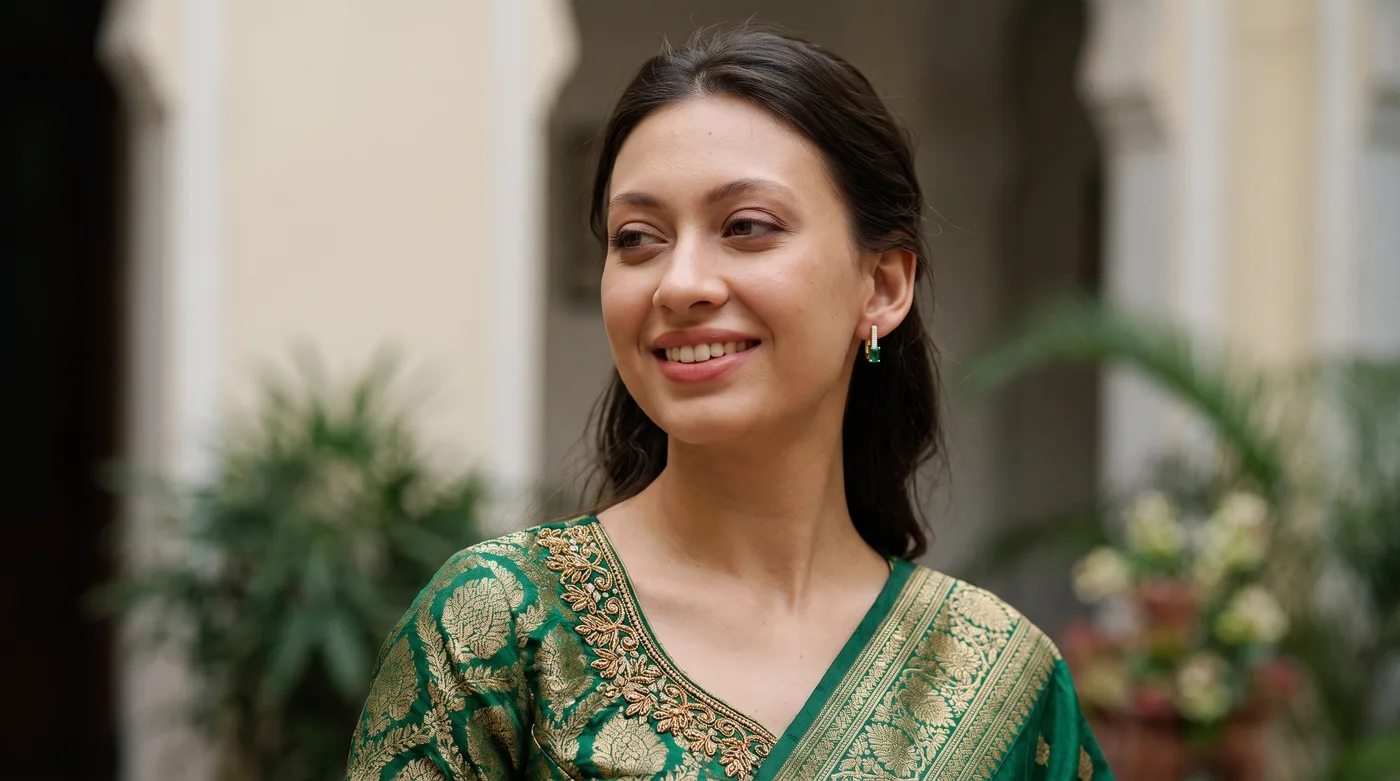
A 3 lari wala jhumka stands among the most regal and architecturally dramatic adornments in the entire vocabulary of Indian fine jewellery. Characterized by three cascading tiers of bell-shaped domes or graduating ornamental layers, this timeless earring silhouette transforms the gentle swing of traditional jhumkas into a mesmerizing waterfall of gold, pearls, and precious stones. From grand royal wedding festivities to festive family celebrations, investing in an authentic 3 lari wala jhumka is an investment in living heritage that bridges generations of artisanal artistry with modern fine jewellery craftsmanship.
Quick Buying Checklist: 3 Lari Wala Jhumka Essentials for 2026
- Stepped Architectural Proportions: Verify that the three cascading tiers follow a harmonious graduating ratio (typically small, medium, and large from top to bottom) with flexible, hand-soldered jump rings that allow each tier to sway fluidly without catching or tangling against silk fabrics.
- Gold Purity and Structural Rigidity: Opt for 22K (916) yellow gold if prioritizing rich traditional warmth and heritage repousse filigree, or 18K (750) gold if choosing intricate gemstone settings and diamond accents that demand superior tensile hardness for fine connector chains.
- Weight Distribution and Earlobe Ergonomics: Authentic tiered jhumkas range from 12 grams to upwards of 30 grams. Prioritize secure South Indian or Bombay screw backings, wide silicone support pads, or integrated ear chains (saharas) to distribute gravitational pull evenly across the auricle.
- Net Gold Weight Transparency: Insist on itemized billing where all pearl, gemstone, or kundan weights are strictly deducted from the gross weight. Under Indian legal metrology standards, you must pay the gold rate only on the net gold weight.
- Mandatory BIS Hallmarking: Confirm the presence of the official 6-digit alphanumeric HUID (Hallmark Unique Identification) laser-engraved alongside the BIS triangular mark and purity grade on the stud back or inner bell dome.
What Is a 3 Lari Wala Jhumka? Heritage, Nomenclature, and Royal Lineage
In traditional Indian jewellery terminology, the phrase 3 lari wala jhumka refers to a triple-tiered or three-layered jhumka earring architecture. The word lari translates to a strand, tier, or cascading row. When applied to jhumkas, it represents an elaborate design where three graduating bell-shaped jhumkis (or concentric chandelier canopies) are suspended sequentially beneath a central decorative ear stud. As the wearer turns her head, each independent tier articulates in harmony, creating musical resonance, luminous light reflection, and graceful visual movement.
Historically rooted in the royal courts of the Mughal dynasty, the Nizams of Hyderabad, and the temple treasuries of South India, multi-layered jhumkas served as symbols of aristocratic grace and ceremonial splendor. Traditional royal court artisans perfected the technique of balancing weight through graduating hollow-stamped bells, embellished with seed pearls, uncut polki diamonds, and rubies. Today, the 3 lari wala jhumka remains a cornerstone of the Indian bridal trousseau, celebrated as an heirloom centerpiece that effortlessly commands reverence at sangeets, weddings, and milestone anniversaries.
Anatomy and Stepped Architecture of a 3 Lari Wala Jhumka
To evaluate a 3 lari wala jhumka with the discerning eye of a gemologist and goldsmith, one must examine its distinct structural components. Unlike standard single-dome earrings, a triple-tier cascade relies on four critical structural zones that balance visual drama against mechanical wearability:
- The Ear Stud Anchor (Surajmukhi or Top Motif): Resting directly against the earlobe, this decorative disc anchors the earring. It commonly takes the form of a floral medallion, sunburst, peacock crest, or geometric gemstone cluster. Because it bears the entire downward load of the three lower tiers, a broad, well-proportioned stud is crucial to conceal the piercing hole and prevent forward tilt.
- The Upper Suspended Tier (First Lari): The smallest of the three bells, this tier connects directly to the lower rim of the stud via a hidden hinge or sturdy jump ring. It establishes the initial downward taper and provides the upper fulcrum for kinetic movement.
- The Intermediate Tier (Second Lari): Sized proportionally between the top and bottom tiers, the middle bell adds structural depth. In premium master-crafted designs, the bottom edge of the first tier nests slightly inside the open crown of the second tier, preventing unsightly gaps when viewed from profile angles.
- The Grand Base Tier (Third Lari): The largest and most ornate bell, the third lari serves as the visual climax of the piece. Its flared rim is traditionally fringed with a dense skirt of tiny dangling gold beads (ghungroos) or cultured seed pearls (chawal moti) that chime gently with every gesture.
- Flexible Connecting Links: The unseen heroes of a 3 lari wala jhumka are the soldered connector rings. If these links are too stiff, the bells collide rigidly; if they are too thin, they risk metal fatigue and accidental snapping under regular movement.

Stone Jhumka Earrings: Comparing Pearl, Gemstone, and Diamond Accents
While plain yellow gold jhumkas hold an austere antique charm, incorporating precious stones elevates the piece into an opulent work of art. The search for stone jhumka earrings often centers on how different gemstones affect the overall aesthetics, weight, and longevity of the tiered structure:
- Natural Seed Pearls and Rice Pearls: The classic companion to gold jhumkas. Dainty pearls hand-strung along the bottom skirts of all three tiers soften the reflective glare of polished metal, imparting a creamy, aristocratic glow that pairs flawlessly with traditional Kanjeevarams and Banarasi brocades.
- Faceted Rubies and Emeralds: In South Indian temple designs and royal Rajasthani jadau work, crimson rubies and lush green emeralds are bezel-set across the stud and tiered canopies. These gemstones introduce striking regal contrast against rich yellow gold, serving as vibrant focal points in bridal photography.
- Brilliant-Cut Diamonds and Modern CZ: For contemporary brides seeking starlit brilliance, modern stone jhumka earrings incorporate fine round diamonds along the filigree cutouts. Diamond accents require precision prong settings in 18K gold to ensure stones remain permanently anchored without loosening during dynamic head movements.
- Kundan and Polki Glass Foils: Traditional kundan jhumkas feature flat-cut stones set in 24K pure gold foil (lac core). While visually breathtaking, kundan pieces carry substantial weight and require strict protection from moisture, humidity, and perfume contact.
Gold Karatage Breakdown: 22K Traditional Yellow Gold vs 18K and 14K High-Tensile Mountings
Selecting the appropriate gold purity for a 3 lari wala jhumka requires balancing traditional yellow color saturation against metallurgical strength:
- 22K Gold (91.6% Pure Gold): The undisputed benchmark for traditional Indian bridal jewellery. 22K gold offers an unmistakable deep, rich buttery yellow luster that resonates with cultural heritage. It is the preferred metal for intricate hand-chased repousse, nakshi motifs, and antique matte finishes. However, because 22K is relatively soft, the connector rings and ear posts must be forged with sufficient gauge thickness to prevent bending over time.
- 18K Gold (75.0% Pure Gold): The optimal standard when a 3 lari wala jhumka incorporates fine diamond pavé or faceted coloured gemstones. The 25% alloy content (composed of copper, silver, or zinc) imparts remarkable tensile strength, allowing goldsmiths to craft ultra-fine prongs and delicate yet robust connector links that will never warp under mechanical stress.
- 14K Gold (58.5% Pure Gold): Widely chosen for modern lightweight fusion earrings. 14K gold offers exceptional durability, scratch resistance, and affordability, making it a practical choice for younger wearers seeking statement silhouettes without heavy gold grammage.
Weight in Grams: Lightweight CAD Filigree vs Solid Bridal Cascades
The total gram weight of a 3 lari wala jhumka determines both its physical presence and wearable comfort. Modern jewellery engineering has transformed the weight landscape, offering diverse manufacturing approaches:
- Lightweight CAD Filigree Cascades (10g to 16g per pair): Utilizing Computer-Aided Design (CAD) and precision laser-cut latticework, contemporary jewellers create voluminous triple-tier silhouettes with open, hollow-gauge gold wires. These pieces offer the majestic visual spread of a grand bridal earring while weighing under 8 grams per ear, making them comfortable for multiple hours of dancing and dining.
- Medium-Weight Semi-Solid Styles (16g to 24g per pair): The standard sweet spot for festive occasion wear. These jhumkas feature solid gold studs paired with semi-hollow embossed tiers, providing satisfying acoustic weight and solid structural durability without causing acute earlobe fatigue.
- Heavy Royal Bridal statement Cascades (25g to 45g+ per pair): Crafted for high-stakes wedding ceremonies. These heirloom-grade masterpieces feature solid die-cast bells, extensive ruby and emerald bezel settings, and dense pearl fringe skirts. Because each earring may weigh 15 to 22 grams, wearing them comfortably requires external structural support such as ear chains (saharas) or surgical earlobe tape.
Curated Signature Jhumkas & Statement Earrings


Curated Design Highlights: Explore signature artisanal fine jewellery earrings from BlueStone, crafted in hallmarked yellow and rose gold: The Rohal Huggie Earrings, The Asya Huggie Earrings, The Aleena Huggie Earrings, The Nettile Huggie Earrings, The Skein Hoop Earrings, and The Faliha Purse Hoop Earrings.
Earlobe Comfort and Weight Distribution: Backing Types, Ear Chains, and Wearability Secrets
Nothing detracts from the elegance of wearing a magnificent 3 lari wala jhumka faster than acute earlobe pain or downward drooping. The gravitational physics of a multi-tier earring concentrate all load onto a single piercing hole unless countered with smart ergonomic features:
- Screw-Post Closures (South Indian Screw & Bombay Screw): Traditional push-backs (friction clutches) are inadequate for heavy multi-tier earrings as they can slip under vibration. Threaded screw posts with threaded gold caps ensure that the earring cannot accidentally slide off during dancing. The broad circumference of the screw cap also spreads the clamping force across the back of the lobe.
- Omega Clips and Hinged Latches: Popular in modern luxury earrings, an omega back combines a threaded post with a folding spring-loaded clip that firmly presses against the lobe, providing dual-point stability and preventing forward tilt.
- Supportive Ear Chains (Sahara or Mattal): For earrings exceeding 15 grams per pair, incorporating an ear chain is both a stylistic triumph and an ergonomic necessity. These delicate single or triple gold strands clip to the earring stud and hook securely into the hair above the ear, transferring up to 60% of the earring weight directly to the scalp.
- Medical Earlobe Support Patches: Clear, hypoallergenic adhesive support patches applied to the back of the earlobe before inserting the earring post provide an immediate mechanical cushion, preventing delicate skin from stretching or tearing.

Net Gold Weight Billing and BIS Hallmarking Rules in India
Purchasing a complex multi-tier piece like a 3 lari wala jhumka requires absolute vigilance regarding retail billing standards. Understanding the legal mandates established by the Bureau of Indian Standards (BIS) and the Ministry of Consumer Affairs safeguards your financial investment:
- Strict Net Gold Weight Deduction: Because stone jhumka earrings incorporate hanging pearls, gemstone beads, and bonding materials, your tax invoice must clearly separate gross weight, stone weight, and net gold weight. You must never pay the daily gold price on stone weight. Furthermore, stones should be billed at transparent carat or gram rates rather than obscure flat fees.
- Mandatory 6-Digit BIS HUID Hallmarking: In India, all gold jewellery sold commercially must carry the 6-digit alphanumeric Hallmark Unique Identification (HUID) code alongside the BIS triangular mark and purity grade (such as 22K916 or 18K750). On a multi-tier jhumka, verify that the hallmarking code is clearly stamped on the post or interior dome wall. You can independently verify your HUID number using the official BIS Care mobile app.
- Making Charges and Wastage Clarification: Crafting the intricate articulated links and repousse bells of a triple-tier jhumka involves specialized hand craftsmanship. Making charges typically range between 12% and 22% depending on whether the design is cast via modern CAD or hand-fabricated by master karigars. Request a transparent breakdown rather than bundled opaque surcharges.
- Goods and Services Tax (GST): In India, gold jewellery is taxed at a flat rate of 3% GST on the total value of metal, stones, and making charges combined. Ensure your final invoice displays the GST registration number (GSTIN) and detailed purity certifications.
Styling Your 3 Lari Wala Jhumka: Bridal Lehengas, Silk Sarees, and Modern Festive Ensembles
Because a 3 lari wala jhumka possesses immense visual volume and vertical elongation, styling it requires thoughtful harmony with your neckline, hairstyle, and overall silhouette:
- Bridal Lehengas & Deep Cut Blouses: Pair an ornate gold and gemstone 3 lari jhumka with a sweetheart, scoop, or V-neckline blouse. The generous vertical drop of the three tiers bridges the space between the ear and bare collarbone, creating balanced proportions. If pairing with a heavy bridal choker, select a choker with minimal drops to avoid visual clutter around the neck.
- Traditional Kanjeevaram & Paithani Sarees: Match classic 22K yellow gold tiered jhumkas featuring pearl cluster skirts with rich woven silk sarees. Styling your hair in an elegant low bun adorned with fresh fragrant jasmine (gajra) allows the earring tiers to catch the light unhindered.
- Contemporary Indo-Western Gowns & Shararas: For sangeet nights and reception parties, pair sleek, modern geometric 3 lari jhumkas crafted in 18K gold with a tailored cape jacket or sharara set. Keep your neck bare and let the articulated jhumka serve as the singular statement focal point.
- Face Shape Pairing: The graduating cascade of a triple-tier jhumka creates an optical slimming effect, making it exceptionally flattering for round, square, and heart-shaped faces. Those with slender oval faces can opt for wider, bell-shaped canopies to accentuate facial width.
Care, Cleaning, and Tier Articulation Maintenance
Preserving the heirloom beauty and mechanical flexibility of a multi-tier jhumka requires dedicated periodic care:
- The “Last On, First Off” Rule: Fine gold and natural pearls are sensitive to chemical abrasion. Always put on your jhumkas after applying perfumes, hairsprays, serums, and cosmetics, and remove them before cleansing or sleeping.
- Gentle Domestic Cleaning: Dissolve a few drops of mild, pH-neutral liquid soap in lukewarm water. Submerge the earrings for five minutes, then gently brush around the connector jump rings and inner dome cavities using an ultra-soft infant toothbrush. Rinse thoroughly in clean warm water and pat dry with a lint-free microfiber cloth. Never use ultrasonic cleaners if your jhumkas contain pearls, emeralds, or kundan.
- Connector Link Inspection: Once a year, examine the soldered jump rings connecting the three tiers under a magnifying loupe. If you notice signs of metal thinning or slight ring opening due to heavy wear, visit a professional fine jeweller to reinforce the solder joints before a tier detaches.
- Individual Padded Storage: Store your 3 lari wala jhumkas flat in dedicated velvet or silk-lined compartments. Never jumble them together in a shared jewellery box where the delicate dangling chains or tiered rims can scratch against other pieces.
Final Thoughts: Choosing an Heirloom Tiered Jhumka
A 3 lari wala jhumka is far more than a passing seasonal trend; it is an enduring celebration of Indian cultural majesty and goldsmithing brilliance. By prioritizing balanced stepped architecture, certified gold purity, transparent net weight billing, and ergonomic earlobe support, you invest in a magnificent piece of fine jewellery that will remain as captivating and wearable decades from now as it is on the day you first wear it.
More Jewellery & Buying Guides
Continue exploring our curated guides to fine jewellery craftsmanship, purity, and styling: discover classic pearl elegance in our White Jhumka Buying Guide 2026, master weight distribution secrets in our Jhumka with Ear Chain Buying Guide 2026, explore daily comfort options in our Lightweight Earrings Buying Guide 2026, review delicate hair-support chains in our Gold Ear Chain Buying Guide 2026, and discover versatile silhouettes in our Types of Earrings Guide 2026.
Frequently Asked Questions About 3 Lari Wala Jhumka
What is the meaning of a 3 lari wala jhumka?
A 3 lari wala jhumka is a traditional Indian earring featuring three cascading bell-shaped tiers (or graduating jhumki canopies) suspended in sequence beneath an ornamental ear stud. The three articulating tiers sway independently, creating musical movement and dramatic vertical presence ideal for bridal and festive occasions.
How heavy is a typical gold 3 lari wala jhumka?
The total weight of a 3 lari wala jhumka generally ranges from 12 grams to 35 grams or more per pair. Lightweight modern designs crafted with hollow-gauge filigree CAD technology start around 12 to 16 grams, while solid bridal heritage designs adorned with gemstones and pearls often weigh between 20 and 35 grams.
How do I prevent my earlobes from stretching when wearing heavy tiered jhumkas?
To prevent earlobe strain and forward sagging, select earrings with secure Bombay or South Indian screw backs with broad base discs. For pieces exceeding 15 grams per pair, attach a gold ear chain (sahara or mattal) that clips to your hair, transferring the bulk of the earring weight directly to your head. Applying hypoallergenic medical support patches to the back of the earlobe also provides instant mechanical reinforcement.
What is the difference between 22K and 18K for a 3 lari wala jhumka?
22K gold contains 91.6% pure gold and delivers a rich, traditional warm yellow tone favored for temple and antique nakshi craftsmanship. 18K gold contains 75% pure gold alloyed with stronger metals, providing superior structural hardness that holds prong-set diamonds and fine connector links securely against bending under mechanical movement.
Are stone jhumka earrings billed on total gross weight or net gold weight?
Under Indian legal metrology guidelines, all stone jhumka earrings must be billed strictly on net gold weight. The jeweller must deduct the exact weight of all pearls, gemstones, and enamels from the gross weight. You must only be charged the daily gold rate on the remaining net gold weight, with stones itemized separately.
How can I verify if my 3 lari wala jhumka is hallmarked?
Look for the mandatory 6-digit alphanumeric HUID (Hallmark Unique Identification) code laser-engraved alongside the official BIS triangular logo and karat mark (e.g., 22K916 or 18K750). You can enter this 6-digit HUID code into the government BIS Care mobile app to verify jeweller registration, assay center details, and exact purity grade.
Can I wear a 3 lari wala jhumka with western or Indo-western attire?
Yes. A streamlined 3 lari wala jhumka crafted with geometric lines or delicate diamond filigree pairs beautifully with contemporary Indo-western ensembles such as jacket-style sharara suits, cape jumpsuits, or evening gowns. When wearing statement tiered earrings, keep your neckline bare of necklaces so the earrings remain the sole focal point.
Leave a Reply