

By Satyam, BlueStone Editorial
When festive lights brighten doorways and autumn air cools, Indian households ask one central question: dhanteras par kya kharidna chahiye? Selecting what to buy on this sacred day blends spiritual reverence with mindful family investment.
On Dhanteras 2026 (Friday, 6 November 2026), the most auspicious purchases are hallmarked gold jewellery and 24K coins. Brass or copper kitchen utensils and Lakshmi-Ganesh idols are equally sacred. Traditional affordable items like a broom (jhadu), dry coriander seeds (dhaniya), and clay diyas carry equal spiritual blessings. Avoid buying iron, sharp objects, glass, black items, or empty vessels.
TL;DR: On Dhanteras 2026 (Friday, 6 November 2026), bring home hallmarked gold jewellery, 24K coins, or brass utensils. Symbolic tokens like a broom and coriander seeds carry equal blessings. Always verify the 3-mark BIS hallmark with 6-digit HUID. Strictly avoid iron, sharp cutlery, glass, and empty vessels.
Last updated: October 2026
Why We Buy on Dhanteras: The Legend of Lord Dhanvantari and Goddess Lakshmi
Understanding why purchases are sacred begins with the Samudra Manthan (cosmic ocean churning). As recounted in the Vishnu Purana, devas and asuras churned the milk ocean for divine treasures. On the thirteenth lunar day of Kartik Krishna Paksha, Lord Dhanvantari emerged carrying a golden pot of amrit (immortal nectar) and Ayurvedic texts.
Because Lord Dhanvantari appeared with a metal vessel, acquiring new metal items became the heart of Dhanatrayodashi. Moments later, Goddess Lakshmi arose seated upon a lotus to bestow grace and abundance. Worshipping both deities together unites physical vitality with material security.
When asking dhanteras me kya kharidna shubh hota hai or dhanteras par kya kharidna shubh hota hai, tradition offers clear wisdom. Purchases supporting health or lasting wealth invite divine favour. Bringing home an enduring metal piece welcomes the healing grace of Lord Dhanvantari and the presence of Goddess Lakshmi.
The Core Dhanteras Auspicious Shopping List: What to Buy Across Budgets
When families ask dhanteras me kya kharidna chahiye, dhanteras ko kya kharidna chahiye, or dhanteras pe kya kharidna chahiye, budget limits often cause worry. Traditional scriptures affirm that divine blessings depend on sincere devotion rather than monetary scale. Whether your festive budget is ₹500 or ₹2 lakh, auspicious purchases fall into four categories:
- Precious Metals and Fine Jewellery: Hallmarked 22K or 18K gold jewellery, diamond pieces, and 24K bullion coins represent enduring wealth (Sthir Lakshmi).
- Sacred Kitchen Cookware: Brass (peetal) and copper (tamba) vessels honour Lord Dhanvantari’s amrit kalash. Food-grade stainless steel is also acceptable.
- Devotional Idols and Coins: Sacred idols of Goddess Lakshmi, Lord Ganesha, and Lord Kubera are brought home for Diwali evening worship.
- Humble Sacred Tokens: A new broom (jhadu), dry coriander seeds (dhaniya), rock salt, and clay diyas carry complete spiritual merit.
Whether searching dhanteras par kya kharidna chahie, dhanteras par kya-kya kharidna chahiye, or dhanteras mein kya kharidna chahie, plan within your means. Queries like dhanteras kya kharidna chahiye encourage mindful spending. If deciding dhanteras ko kya-kya kharidna chahiye or dhanteras par kya kya kharidna chahie, choose balanced purchases. Pairing dhanteras me kya kya kharidna chahiye with hallmarked gold honours every budget. For those asking dhanteras ko kya kharidna chahie or dhanteras per kya kharidna chahie, authenticity matters most. Whether deciding dhanteras pr kya kharidna chahiye or dhanteras ko kya kya lena chahiye, certified purity brings lasting peace.
Utensils and Cookware Traditions: Choosing Auspicious Metals and the “Never Empty” Rule
For households asking dhanteras me kya lena chahiye or dhanteras pe kya lena chahiye, traditional cookware is the most customary purchase after precious metals. The custom connects directly to Lord Dhanvantari carrying the celestial vessel of nectar.
Traditional brass (peetal) and copper (tamba) remain primary choices. In Ayurvedic tradition, water stored in copper balances bodily energies, while brass vessels promote digestive wellness. High-grade stainless steel serves as a practical modern alternative. BlueStone does not sell silver: we encourage buyers to focus on authentic brass and copper for cookware, paired with certified gold jewellery for personal adornment.
The most vital custom is the “never empty” rule. Bringing an empty vessel across your doorway invites hollow fortune. When bringing home a lota, thali, or cooking pot, never carry it empty across your threshold. Fill it with drinking water, raw rice, or jaggery before stepping inside so abundance enters your living space.
Symbolic and Budget-Friendly Essentials: Broom (Jhadu), Dhaniya Seeds, Salt, and Diyas
Dhanteras blessings do not require expensive metals; scriptures give equal merit to humble household items. Shoppers researching dhanteras par kya kya lena chahiye or dhanteras par kya lena chahiye can explore meaningful tokens. If exploring dhanteras me kya kya lena chahiye or dhanteras m kya kya lena chahiye, consider these sacred household essentials:
- The Sacred Broom (Jhadu): Folk tradition reveres the broom as the dwelling of Goddess Lakshmi. It sweeps away dust and spiritually casts out poverty (Daridra). Purchasing a soft broom (phool jhadu) or grass broom (seekh jhadu) purifies the home for Diwali.
- Dry Coriander Seeds (Dhaniya): In agricultural tradition, coriander seeds symbolize fertile soil and growing abundance. Buying dhaniya yields spiritual merit comparable to precious metals. Offer seeds during evening puja and sow a portion on Diwali.
- Rock Salt (Sendha Namak): Buying salt on Dhanteras absorbs stagnant vibrations and fosters domestic peace. Use a pinch in festive cooking and another in household cleaning.
- Earthen Lamps (Clay Diyas): Fresh clay diyas are essential for Yamadeepdan, the evening ritual performed to dispel darkness and protect against untimely misfortune.

Gold Coins vs. Wearable Jewellery: Choosing Between Bullion and Fine Adornment
When deciding dhanteras par kya kharide, dhanteras me kya kharide, or dhanteras ko kya khariden, shoppers weigh two traditional paths. If considering dhanteras ko kya kharide or dhanteras pe kya kharide, options vary. For dhanteras per kya khariden, the classic choice lies between 24K bullion coins and wearable fine jewellery. Both options honour Goddess Lakshmi, but serve different life purposes.
Pure 24K gold coins (999 fineness) serve primarily as financial assets. Minted in weights from 1 gram to 10 grams, bullion coins carry minimal making charges (1% to 3%). However, coins remain stored in vaults, offering security without styling joy.
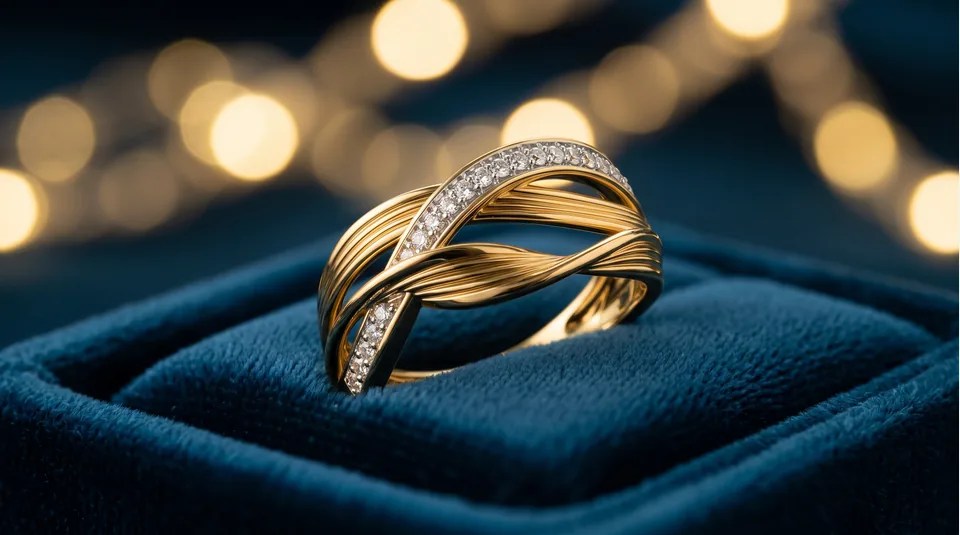
Wearable fine jewellery in 22K (916 fineness) or 18K (750 fineness) blends investment with celebration. While wearable jewellery involves craftsmanship making charges (8% to 25%), it marks festive occasions and creates family memories. As shown above with The Temerity Statement Ring, wearing fine 22Kt yellow gold during festive rituals connects sacred tradition with personal joy.
The table graphic below outlines how 24K bullion coins and wearable jewellery compare across purity, making charges, daily utility, and resale value.

For pure financial accumulation with minimal overhead, choose 24K coins. For celebrating milestones across weddings and festivals, hallmarked 22K or 18K wearable jewellery is the more rewarding choice.
Curated Festive Gold & Fine Jewellery Highlights
Explore curated 18Kt and 22Kt gold and diamond jewellery bestsellers chosen to bring lasting prosperity to your Dhanteras celebrations.



Curated Design Highlights: For Dhanteras 2026, our curation pairs auspicious gold with versatile designs created for festive celebration and daily wear. The Ursa Hoop Earrings bring a polished, contemporary presence in 18Kt yellow gold for celebratory family gatherings. For statement elegance, The Luvee Highway Ring offers sweeping multi-row bands crafted in high-purity 22Kt plain yellow gold. Meanwhile, The Rafia Ring presents delicate everyday diamond sophistication. Men seeking meaningful festive adornment can choose The Network Link Bracelet with confident architectural links. Finally, The Shining Star Bracelet and The Eirini Mangalsutra offer timeless grace for festive and bridal milestones.

Smart Buyer Protection: Decoding BIS Hallmarking, 6-Digit HUID, and Jewellery Invoices
When researching dhanteras ko kya kharidna chahiye 2026 or dhanteras 2026 me kya kharide, festive enthusiasm should never replace diligence. Understanding purity standards protects you from paying 22K rates for lower purity alloys.
Gold purity is measured in karats (spell out karat for metal; carat refers strictly to diamond weight). Pure gold is 24K (99.9% pure), but too malleable for daily jewellery. Fine jewellery is crafted in 22K (91.6% pure gold alloyed for durability) or 18K (75.0% pure gold, ideal for securing diamonds and gemstones).
Under statutory Bureau of Indian Standards (BIS) guidelines, every authentic gold piece carries three mandatory marks:
- The BIS Triangular Mark: Certifying official statutory compliance.
- Purity Grade: Indicating fineness, such as 22K916, 18K750, or 14K585.
- 6-Digit Alphanumeric HUID: A unique identity code laser-etched onto every piece.
As seen above with The Orava Multiway Band Ring, authentic pieces feature laser-engraved hallmarks along the inner band. You can readily verify this certification on the statutory BIS Care App.
The infographic below details these three mandatory hallmarking components.

A transparent jewellery invoice must separate: (Net Metal Weight x Prevailing Gold Rate) + Making Charges + 3% GST. For example, suppose a 22K gold chain weighs 4 grams at an illustrative rate of say ₹7,000 per gram, for illustration. The base metal cost equals ₹28,000. Design making charges (say 10% or ₹2,800) and statutory 3% GST (₹924) bring the total to ₹31,724.
To upgrade ancestral pieces, the BlueStone Old Gold Exchange program provides an instant 2-karat upgrade or 1% additional value toward new designs. Purchases include free delivery across India, a 30-day money-back window, and Lifetime Exchange afterwards.
What NOT to Buy on Dhanteras: Inauspicious Materials and Cultural Taboos
Knowing what to leave on the shelf is just as critical as knowing what to bring home. Shoppers frequently ask dhanteras ko kya nahi kharidna chahiye or dhanteras me kya nahi kharidna chahiye to avoid bad omens. Traditional customs advise against purchasing these items:
- Iron Objects: Astrological traditions associate iron with Shani (Saturn). Buying cast-iron tawas, hardware, or tools on Dhanteras is considered inauspicious.
- Sharp Cutlery: Knives, scissors, and blades should never be purchased on this day; sharp edges symbolize cutting familial harmony and wealth.
- Glassware and Ceramics: Associated with Rahu in Vedic astrology, fragile glass signifies instability and contradicts enduring permanence.
- Black Items: Deep black clothing or goods are avoided because black represents mourning during celebratory festivals.
- Aluminium and Plastic: Aluminium is associated with misfortune and lacks the sacred conductivity of brass or copper. Plastic is synthetic and unsuitable for altar sanctification.
- Empty Vessels: As noted earlier, never carry an unwashed, empty container into your living space.
Dhanteras 2026 Date, Shubh Muhurat, and Post-Purchase Mandir Rituals
Planning your shopping requires calendar alignment. In 2026, Dhanteras falls on Friday, 6 November 2026.
The Kartik Krishna Trayodashi tithi begins at approximately 10:30 AM on Friday, 6 November 2026, and concludes at 10:47 AM on Saturday, 7 November 2026. Daytime shopping remains auspicious once the tithi begins. However, the sacred window for home worship falls during evening Pradosh Kaal, approximately 6:00 PM to 8:00 PM on Friday, 6 November 2026.
Readers frequently ask dhanteras par kya karna chahiye, dhanteras per kya karen, or dhanteras pr kya krna chahiye. If deciding dhanteras me kya karna chahiye, follow these five post-purchase steps:
- Clean the New Item: Gently wash metal utensils, coins, or jewellery with clean water or gangajal, and wipe dry with a soft cloth.
- Place in the Home Mandir: Position acquisitions in the north or north-east corner of your prayer space, facing Goddess Lakshmi and Lord Dhanvantari.
- Apply Auspicious Tilak: Anoint items with red kumkum and unbroken akshat (rice grains).
- Offer Flowers and Prayers: Offer fresh marigold flowers, light aromatic dhoop, and chant simple mantras invoking health and abundance.
- Perform Yamadeepdan: At dusk, light a four-faced clay lamp with mustard oil outside your main doorway facing south to protect your household.
Conclusion: Making Mindful and Blessed Acquisitions This Dhanteras
Dhanteras is an invitation to celebrate both physical vitality and domestic stability. By welcoming Lord Dhanvantari with healing brass vessels and inviting Goddess Lakshmi with hallmarked gold, your purchases reflect conscious values rather than commercial pressure. Celebrate within your means, verify every hallmark, and let your festive investments bring genuine peace.
To discover thoughtful, certified pieces for your family celebration, explore our curated Dhanteras jewellery collection featuring hallmarked gold and certified diamonds.
More Gold Buying Guides
- Gold and Diamond Jewellery Gift Ideas for Dhanteras: Thoughtful suggestions for 22Kt and 18Kt gold jewellery gifts and festive bullion selections.
- Dhanteras Shopping Guide: Vastu Tips for Buying Jewellery: Practical directions and auspicious timings for bringing gold and sacred cookware home.
- Best Dhanteras Wishes, Messages and Greetings: Warm festive greetings and messages to share with family, friends, and colleagues.
- Best Maa par Shayari and Mother Quotes in Hindi: Touching quotes and shayari honouring mothers and celebrating familial blessings.
Frequently Asked Questions
What should we buy on Dhanteras?
On Dhanteras, the most auspicious items to buy are hallmarked gold jewellery, 24K coins, brass or copper utensils, and Lakshmi-Ganesh idols. Traditional affordable items like a broom (jhadu), dry coriander seeds (dhaniya), and clay diyas carry equal spiritual merit. Choose items that bring practical nourishment or lasting financial stability to your home.
What is Dhanteras and why is it celebrated?
Dhanteras is the auspicious opening day of the five-day Diwali celebration. It honours Lord Dhanvantari, the divine healer who emerged from the cosmic ocean carrying an amrit pot, alongside Goddess Lakshmi and Lord Kubera. Families celebrate it to invoke health, ward off misfortune through Yamadeepdan, and welcome lasting domestic abundance with new metal acquisitions.
What is the best thing to buy on Dhanteras 2026?
The best item to buy on Dhanteras 2026 depends on your personal household budget and intent. Hallmarked 22K or 18K gold jewellery provides lasting financial value and wearable festive celebration. For traditional cookware, brass and copper vessels represent Lord Dhanvantari’s healing amrit kalash. For budget-friendly blessings, a simple broom or dry coriander seeds offer complete spiritual blessings.
What items should never be bought on Dhanteras?
Traditional customs strictly advise against buying iron objects, sharp cutlery like knives and scissors, glassware, ceramics, aluminium, plastic items, and black-coloured goods on Dhanteras. Astrological traditions associate iron with Saturn and fragile glass with Rahu, while sharp blades symbolize cutting familial harmony. Additionally, never bring an empty utensil across your doorstep; fill it with water or grains first.
Is buying gold mandatory on Dhanteras?
Buying gold is not mandatory on Dhanteras. While gold represents enduring prosperity, scriptures give equal spiritual weight to humble household purchases like brass cookware, dry coriander seeds, rock salt, and brooms. Goddess Lakshmi blesses pure devotion and mindful living rather than excessive financial expenditure. Always celebrate within your realistic means without taking on debt.
Why is buying a broom (jhadu) auspicious on Dhanteras?
Buying a broom on Dhanteras is auspicious because Hindu tradition reveres the broom as an earthly embodiment of Goddess Lakshmi. The broom physically sweeps away dirt and spiritually clears out poverty, known as Daridra, from the household. Bringing a new broom home before Diwali purifies living spaces and welcomes health and financial blessings.
Should we buy salt on Dhanteras?
Yes, buying a new packet of salt on Dhanteras is considered very auspicious for domestic harmony. Traditional folklore holds that salt absorbs negative vibrations and clears stagnant energy from living spaces. Cooking festive meals with freshly purchased salt or dissolving a pinch in mopping water helps purify the home and invites peaceful prosperity.
What kitchen utensils are best to buy on Dhanteras?
Brass and copper vessels are the most auspicious kitchen utensils to buy on Dhanteras, followed by food-grade stainless steel. These metals commemorate Lord Dhanvantari emerging with the amrit kalash and offer proven Ayurvedic wellness benefits. Remember to never bring a utensil home empty; place water, uncooked rice, or jaggery inside before crossing your main doorway.
What is the shubh muhurat to buy items on Dhanteras 2026?
On Dhanteras 2026 (Friday, 6 November 2026), shoppers can make purchases throughout the Trayodashi tithi. The tithi runs from 10:30 AM on November 6 until 10:47 AM on November 7. The primary window for home worship falls during evening Pradosh Kaal, between 6:00 PM and 8:00 PM on Friday, 6 November 2026.


Leave a Reply