
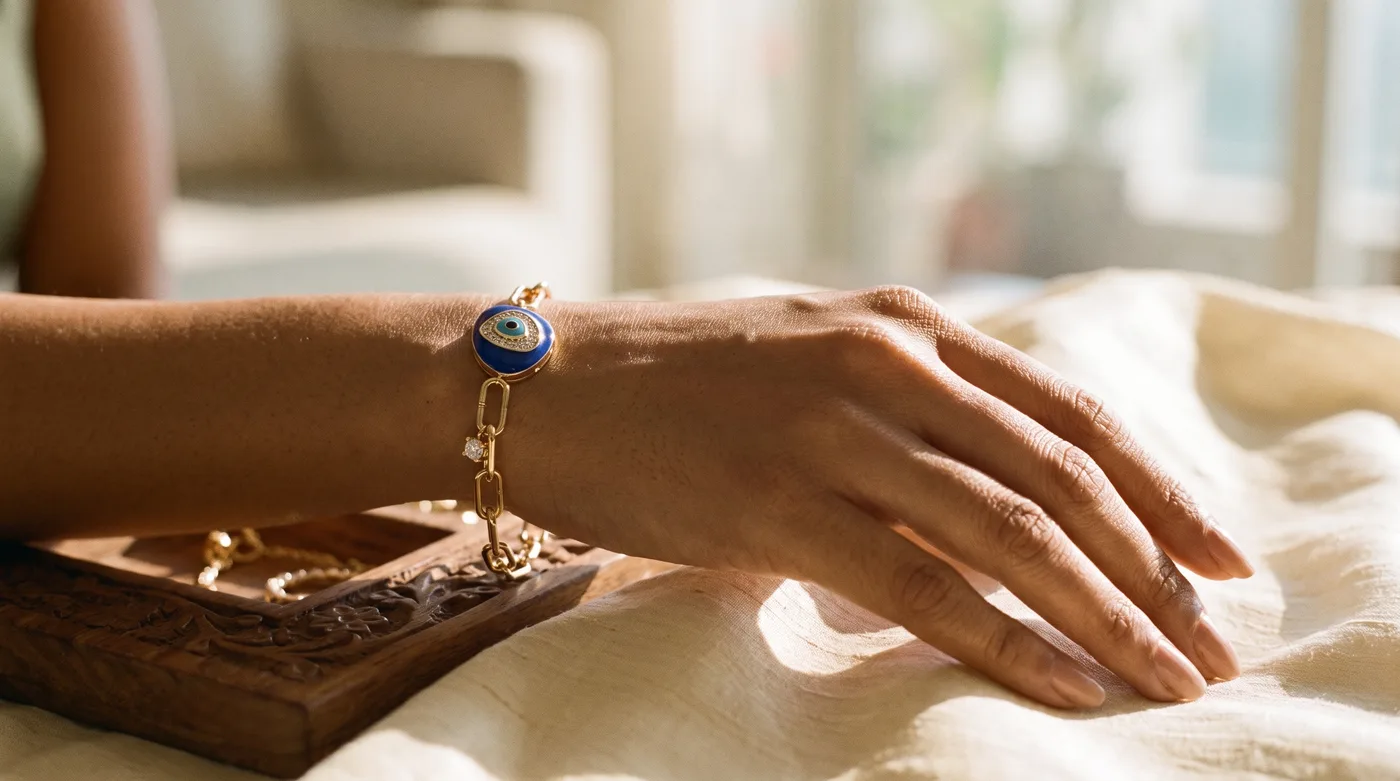
By Satyam, BlueStone Editorial
Adorning your wrist with fine stone bracelets represents one of the most expressive ways to combine precious metal craftsmanship with natural gemstone brilliance. Across modern jewellery wardrobes, a handcrafted stone bracelet serves as both a luminous personal signature and an enduring heirloom. Whether you are captivated by the continuous sparkle of a diamond tennis bracelet, the vibrant hues of sapphire and emerald bezel stations, or the protective symbolism of gemstone charm holders, fine stone bracelets bridge everyday versatility with timeless luxury.
However, selecting the perfect piece requires navigating several crucial considerations. From choosing between 14K and 18K solid gold to ensure stone setting security, to understanding wrist sizing buffers and evaluating clasp mechanisms, buying fine gemstone jewellery demands technical awareness. In this definitive 2026 buying guide, we demystify trending stone bracelet designs, provide actionable sizing formulas, explore the distinct aesthetics of a stone bracelet for women versus mens stone bracelets, and outline essential BIS hallmarking protocols to ensure your investment remains radiant for a lifetime.
Quick Buying Takeaways:
- Optimal Gold Purity: For stone-studded bracelets, 18K and 14K solid gold provide the critical tensile strength required to secure gemstone prongs and bezel collars without loosening.
- Setting Security: Bezel and flush settings provide the highest snag-free protection for active lifestyles, while multi-prong and channel settings maximize gemstone light refraction.
- Wrist Sizing Buffer: Always measure wrist circumference snugly and add 1.25 cm to 2.0 cm (0.5 to 0.75 inches) to achieve comfortable drape and prevent strain on connecting links.
- Clasp Reliability: Seek double-locking box clasps with figure-8 safety latches on continuous tennis designs, and reinforced lobster claws on flexible chain bracelets.
- Hallmark Verification: Verify mandatory Bureau of Indian Standards hallmarking with the 6-digit alphanumeric HUID code via the official BIS CARE app.
What Are Stone Bracelets: The 2026 Guide to Fine Gemstone Jewellery
At its core, a stone bracelet refers to any flexible wrist chain, articulated link, or rigid cuff crafted from solid precious gold and embellished with natural precious or semi-precious gemstones. Unlike plain gold bangles or hollow links, stone bracelets introduce texture, color, and dynamic light interplay to the wrist. Each gemstone is carefully set within individual gold mountings, allowing the stones to articulate fluidly with wrist movement.
The engineering behind a fine stone bracelet is intricate. Because bracelets endure more frequent impact, surface friction, and movement than earrings or necklaces, the choice of gemstone hardness is paramount. Gemmologists evaluate gemstone suitability using the Mohs hardness scale, which rates mineral scratch resistance from 1 (talc) to 10 (diamond):
- Diamonds (Mohs 10): The hardest mineral on earth, ideal for daily wear in tennis bracelets and delicate station links due to unmatched scratch resistance.
- Corundum: Rubies and Sapphires (Mohs 9): Exceptionally durable precious stones that withstand daily friction, available in vivid royal blue, rich crimson, pink, and yellow hues.
- Beryl: Emeralds and Aquamarines (Mohs 7.5 to 8): Celebrated for lush color, though natural microscopic inclusions mean emeralds benefit from protective bezel mountings rather than exposed prongs.
- Quartz Varieties: Amethyst, Citrine and Onyx (Mohs 7): Highly resilient gemstones offering bold color saturation and excellent daily durability.
- Topaz and Garnet (Mohs 6.5 to 8): Brilliant, versatile stones offering exceptional optical fire across tailored gold silhouettes.
Fine jewellery houses set these authentic stones exclusively in solid gold. Reputable jewellers like BlueStone avoid non-precious base metals or silver plating, ensuring that the metal casing maintains structural rigidity, resists tarnish, and holds its value over decades of continuous wear.
Trending Stone Bracelet Designs: From Everyday Stations to Statement Links
In 2026, jewellery artisans have elevated classic silhouettes with ergonomic engineering and contemporary aesthetics. Whether you seek understated minimalism or red-carpet glamour, modern stone bracelet designs fall into five primary structural categories:
1. Classic Tennis Bracelets: Known for their continuous, symmetrical row of prong-set or bezel-set gemstones, tennis bracelets remain the gold standard of wrist luxury. Modern interpretations incorporate graduating gemstone diameters, mixed fancy shapes (such as emerald-cut or marquise stones alongside rounds), and two-tone gold baskets that accentuate stone brilliance.
2. Bezel Station Chain Bracelets: Featuring individual gemstones encased in sleek gold rims and spaced evenly along a fine cable or box chain, station bracelets are the premier choice for effortless daily wear. The bezel collar protects the gemstone perimeter from edge chipping and eliminates exposed prong claws that can snag delicate fabrics.
3. Charm Holder and Talisman Bracelets: Combining personal narrative with gemstone luxury, charm holder bracelets feature sturdy link chains accented with protective motifs. Gemstone evil-eye motifs, celestial stars, and initial pendants embedded with natural sapphires and diamonds transform fine jewellery into meaningful personal armor.
4. Bolo Slider Bracelets: Featuring an adjustable gold bolo bead threaded through delicate box chains, these bracelets solve sizing dilemmas effortlessly. The silicone-lined slider bead glides smoothly to provide a customized, tailored fit for any wrist circumference.
5. Heavy Link and Cuff Bracelets: Designed with substantial Cuban curb, paperclip, or architectural geometric links, these designs incorporate flush-set gemstones into the central plate or alternating link segments, creating a commanding luxury presence.
Curated Stone Bracelets: Handcrafted Gold & Gemstone Designs
Explore this curated showcase of authentic BlueStone stone bracelets, precision-crafted in solid 18K and 14K hallmarked gold with natural gemstones and certified diamonds:


Curated Design Highlights:
- The Malocchio Charm Holder Bracelet: Handcrafted in 18K yellow gold with natural gemstone protective evil-eye charm accents, ideal for personalized daily layering.
- The Tapia Chain Bracelet: An elegant 18K yellow gold chain bracelet featuring brilliant stone station motifs for sophisticated evening grace.
- The Pervinca Charm Holder Bracelet: A delicate 14K yellow gold charm holder bracelet adorned with vibrant natural gemstone accents.
- The Bandhan Bracelet For Him: A substantial 18K yellow gold masculine bracelet integrating refined diamond and stone geometry with robust curb link architecture.
- The Volara Bracelet For Him: A bold, executive 18K yellow gold link bracelet featuring stone-studded accents designed for commanding professional presence.
- The Network Link Bracelet: A masterfully engineered 18K yellow gold link bracelet with sparkling stone pavé elements tailored for modern wrists.
Stone Bracelet for Women: Silhouettes, Gemstone Pairings and Everyday Stacking
Choosing a stone bracelet for women involves balancing aesthetic grace with daily lifestyle practicalities. Modern women curate wrist stacks that seamlessly transition from morning boardroom presentations to evening cocktail receptions. The secret lies in understanding proportions, metal tones, and stone silhouettes.

Proportional Balance: Wrist width should guide your choice of bracelet weight. Slender wrists (circumferences under 6 inches or 15 cm) look most harmonious with petite bezel station bracelets measuring 1.0mm to 2.5mm in chain thickness, or delicate single-row tennis bracelets. Heavier multi-strand gemstone cuffs can overwhelm delicate bone structures. Conversely, medium to wider wrists (above 6.5 inches) can effortlessly carry bolder 4.0mm stone links or architectural cuffs.
The Art of Wrist Stacking: Creating an intentional wrist stack requires mixing textures while maintaining a unified metallic anchor:
- Rule of Three: Combine one primary focal bracelet (such as a diamond or sapphire tennis bracelet), one textured link chain (such as an open paperclip or rope chain), and one delicate gemstone charm bracelet.
- Varying Diameters: Never stack three bracelets of identical thickness, which creates visual clutter and increases friction between stones. Pair a 3mm stone tennis bracelet with a 1.5mm station chain for dynamic contrast.
- Watch Pairing: When wearing a luxury timepiece, position your stone bracelet above the watch on your non-dominant wrist. Choose bezel-set stones rather than sharp prong settings to prevent scratching the watch case.
For deeper insights into warm metallic alloys that complement vibrant gemstones, explore our comprehensive rose gold bracelet buying guide for pink-hued inspiration.
Men’s Stone Bracelets: Bold Gemstones, Metal Contrast and Everyday Durability
The landscape of men’s fine jewellery has evolved dramatically, with mens stone bracelets emerging as a refined cornerstone of contemporary masculine style. Today’s discerning gentleman pairs solid gold and gemstone bracelets with tailored business suits, linen shirts, and luxury chronographs to express understated confidence.

Masculine Gemstone Selection: While women’s designs often favor delicate pastel beryls and sparkling light dispersion, men’s stone bracelets prioritize deep, saturated, opaque or midnight-toned stones that convey strength:
- Black Onyx: Dense, velvety black with a mirror-like polish, onyx pairs powerfully with 18K yellow gold, white gold, and platinum, creating sharp visual contrast.
- Midnight Blue Sapphires: Deep navy corundum gemstones offer discreet sophistication, catching the light subtly beneath a tailored cuff.
- Brilliant Cut Diamonds: Channel-set or flush-set black and cognac diamonds add refined luxury to solid gold link bracelets without appearing overly ostentatious.
- Tiger’s Eye and Malachite: Earthy cabochons exhibiting natural chatoyancy provide rich organic texture for bespoke artisanal bracelets.
Structural Strength and Ergonomics: Men’s wrists naturally experience higher torque and physical impact. Therefore, high-performance mens stone bracelets utilize heavy-gauge gold links, reinforced pin hinges, and flush or channel stone settings that sit completely level with the gold surface. For styling guidance on dark gemstones and bold masculine links, read our detailed men’s black bracelet styling guide.
Gold Purity and Setting Security: Why 14K and 18K Excel for Stone Bracelets
One of the most frequent dilemmas buyers encounter is choosing the appropriate gold purity for a stone bracelet. In traditional Indian culture, 22K (916) and 24K gold carry immense emotional and investment prestige. However, when it comes to stone-studded wrist jewellery, understanding metal physics is critical to avoiding lost gemstones.
The Tensile Reality of 22K vs 18K vs 14K Gold:
- 22K Gold (91.6% Pure Gold): Because 22K gold contains very little alloy hardening, the metal is exceptionally ductile and soft. When subjected to continuous arm swings, door handle bumps, and desk contact, thin 22K prong claws can easily bend open, allowing precious gemstones to fall out. 22K is ideal for plain gold bangles, but high-risk for intricate stone settings.
- 18K Gold (75.0% Pure Gold): The international luxury standard for fine gemstone jewellery. Alloyed with 25% copper, silver, and zinc, 18K gold retains the rich, glowing warmth of pure gold while providing the structural spring and tensile rigidity necessary to grip gemstones securely for decades.
- 14K Gold (58.5% Pure Gold): Containing 41.5% strengthening alloys, 14K gold offers superior scratch resistance and prong retention. It is the premier choice for active lifestyles, sports, and budget-conscious buyers seeking unyielding durability.
Setting Styles and Impact Resistance:
- Bezel Setting: A continuous gold collar encircles the gemstone perimeter. This is the most secure setting for active wear, completely shielding stone edges from chipping.
- Channel Setting: Gemstones are suspended side by side between two parallel gold walls, offering a smooth, snag-free exterior surface ideal for tennis and link bracelets.
- Prong Setting (Shared or 4-Prong): Tiny gold claws hold each stone, maximizing light entry from all angles. Ensure the prongs are rounded and smooth to avoid catching on silk sarees or knit sweaters.
- Pavé Setting: Micro-stones set closely together into honeycomb gold indentations, creating an unbroken carpet of shimmering brilliance.
For an in-depth breakdown of purity testing methods and Karat calculations, consult our authoritative gold purity verification guide.
Wrist Sizing, Clasp Types and Daily Ergonomics for Stone Bracelets
An improperly sized stone bracelet not only compromises comfort but also increases the risk of accidental loss. A bracelet that is too loose can snag on external objects or slide uncomfortably onto your palm, while an overly tight bracelet places severe lateral strain on connecting links and stone baskets.
How to Measure Your Wrist Accurately at Home:
- Step 1: Take a flexible tailoring measuring tape or a non-stretchy strip of paper.
- Step 2: Wrap it snugly around your wrist just below the wrist bone (towards your hand), where your bracelet will sit naturally.
- Step 3: Mark the exact meeting point on the paper strip and measure the length against a flat ruler in centimeters and inches.
- Step 4: Add Your Fit Allowance: For a snug fit, add 1.25 cm (0.5 inches). For a classic, comfortable drape, add 2.0 cm (0.75 inches). For a looser, dangling charm drape, add 2.5 cm (1.0 inch).
Evaluating Clasp Mechanisms for Ultimate Security:
- Double-Locking Box Clasp with Figure-8 Safety: The gold tongue inserts into a hollow box with an audible click, reinforced by one or two hinged wire latches on the side. This is mandatory for valuable diamond and gemstone tennis bracelets.
- Heavy-Duty Lobster Claw Clasp: A spring-loaded mechanical lever that snaps firmly into an end ring. Excellent for station chains and charm bracelets due to high tensile strength.
- Spring Ring Clasp: A lightweight circular clasp best suited for delicate, lightweight chains under 2 grams.
- Bolo Slider Mechanism: A silicone-core gold bead that provides infinitely adjustable tension across twin box chains.
Care, Cleaning, and Maintenance: Preserving Gemstone Luster and Gold Polish
Because wrists come into direct contact with hand creams, perfumes, cooking oils, and environmental dust, stone bracelets require regular maintenance to prevent grime from accumulating in the under-gallery beneath gemstones, which dulls their refractive sparkle.
Gentle Home Cleaning Protocol:
- Lukewarm Bath: Submerge your gold stone bracelet in a small bowl of lukewarm water mixed with two drops of mild, pH-neutral dish soap for 10 minutes. Avoid boiling water, lemon juice, baking soda, or harsh detergents.
- Soft Brush Cleansing: Gently clean the undercarriage and crevices behind each stone using an ultra-soft baby toothbrush. Never use sharp metal tools, pins, or needles to dislodge dirt.
- Rinse and Dry: Rinse thoroughly under lukewarm running water (with the sink drain securely closed). Pat dry with a clean, lint-free microfiber polishing cloth.
- Ultrasonic Caution: While diamonds and sapphires can safely tolerate ultrasonic cleaning, never place emeralds, pearls, opals, or tanzanite in ultrasonic or steam cleaners, as high-frequency vibrations and thermal shock can crack included stones or strip protective cedarwood oils.
Store your stone bracelets flat in individual velvet-lined compartments to prevent gold chains from tangling or diamonds from scratching adjacent softer gemstones. Have a certified jeweller inspect prong integrity every 12 to 18 months.
Final Thoughts on Choosing Your Ideal Stone Bracelet
Investing in a solid gold stone bracelet is a celebration of craftsmanship, individuality, and personal milestones. Whether you gravitate towards the understated elegance of bezel-set diamond stations, the bold architectural resonance of a masculine onyx curb link, or the whimsical luxury of gemstone charms, selecting 18K or 14K gold ensures your jewellery withstands the rhythm of daily life.
Always verify the mandatory Bureau of Indian Standards hallmark, confirm the 6-digit HUID code on the BIS CARE app, and ensure your bracelet features an engineered safety clasp. When you purchase certified, hallmarked fine jewellery from trusted houses like BlueStone, you acquire a personal treasure that radiates confidence today and endures as a cherished heirloom tomorrow.
More Jewellery & Buying Guides
Continue expanding your fine jewellery expertise with our authoritative buying and styling resources:
- rose gold bracelet buying guide: Discover warm alloy compositions, carat breakdown, and romantic pink-gold wrist styling.
- men’s black bracelet styling guide: Explore bold masculine bracelets crafted in gold with black onyx, enamel, and ceramic accents.
- gold purity verification guide: Learn how to read hallmarking stamps, calculate fineness percentages, and verify gold authenticity.
- GST on gold jewellery in India: Understand statutory invoice components, making charge taxes, and transparent jewellery billing.
- buying gold jewellery online safely: Practical buyer safeguards, transit insurance, and hallmark verification for digital shopping.
Frequently Asked Questions About Stone Bracelets
What is the best gold purity for everyday stone bracelets?
For everyday wear, 18K and 14K solid gold are the superior choices for stone bracelets. While 22K gold offers rich traditional color, its softer composition makes stone settings and prong claws vulnerable to bending, which can loosen gemstones under daily arm movement. An 18K gold bracelet contains 75.0% pure gold alloyed with 25% strengthening metals like copper, silver, and zinc, providing the ideal balance of luxurious yellow luster and structural tensile strength. For high-activity routines, 14K gold offers even greater scratch resistance and prong security.
What are the most popular stone bracelet designs in 2026?
The leading stone bracelet designs in 2026 blend architectural modernism with vintage allure. Dominant silhouettes include continuous tennis bracelets set with uniform brilliant gemstones, bezel station chain bracelets that space vibrant stones along delicate links, flexible charm holder bracelets adorned with gemstone talismans like evil eyes, and open cuff bangles capped with contrasting cabochons. Modern buyers also love bolo slider bracelets that allow micro-adjustable sizing on the fly.
How do I choose the right stone bracelet for women for daily styling?
When selecting a stone bracelet for women for daily wear, prioritize low-profile gemstone settings such as flush, bezel, or channel settings. These designs prevent prongs from catching on knitwear, silks, or computer keyboards. Neutral or versatile gemstones like diamonds, blue sapphires, green emeralds, and protective black onyx complement both corporate tailoring and weekend casuals. For slender wrists measuring under 6 inches, delicate station chain bracelets create balanced elegance, whereas broader wrists can easily carry multi-row gemstone cuffs or layered stacks.
Are mens stone bracelets durable enough for everyday wear?
Yes, high-quality mens stone bracelets crafted in solid 18K or 14K gold are engineered for exceptional durability. Masculine designs typically feature substantial link profiles such as Cuban curb, Byzantine, or box chain links paired with durable stones like black onyx, deep blue sapphires, or tiger’s eye. Bezel and flush settings protect the stones against daily desk abrasion, steering wheels, and gym impacts. Ensure the bracelet is fitted with a heavy-duty lobster clasp or a double-locking box clasp with a safety catch.
How can I verify the authenticity of a gold stone bracelet in India?
In India, authentic gold jewellery must carry mandatory Bureau of Indian Standards (BIS) hallmarking. Look for three laser-engraved marks: the triangular BIS logo, the gold purity grade (such as 18K750 for 18 karat or 14K585 for 14 karat), and the unique 6-digit alphanumeric Hallmark Unique Identification (HUID) code. You can verify this HUID code on the official BIS CARE mobile application to confirm the hallmarking center and assay purity. Additionally, demand a reputable gemmological certificate (such as SGL or IGI) certifying the gemstone authenticity.
How do I measure my wrist accurately before ordering a stone bracelet online?
To find your perfect bracelet size, wrap a flexible measuring tape or a strip of paper around your wrist just below the wrist bone where you naturally wear a watch. Note the snug circumference measurement, then add a comfort buffer based on your preferred drape: add 1.25 cm (0.5 inches) for a snug fit, 2.0 cm (0.75 inches) for a standard comfortable drape, or 2.5 cm (1.0 inch) for a looser charm-style drape. For men, standard lengths range between 7.5 and 8.5 inches, while women’s bracelets typically measure 6.5 to 7.5 inches.
Leave a Reply