
By Satyam, BlueStone Editorial
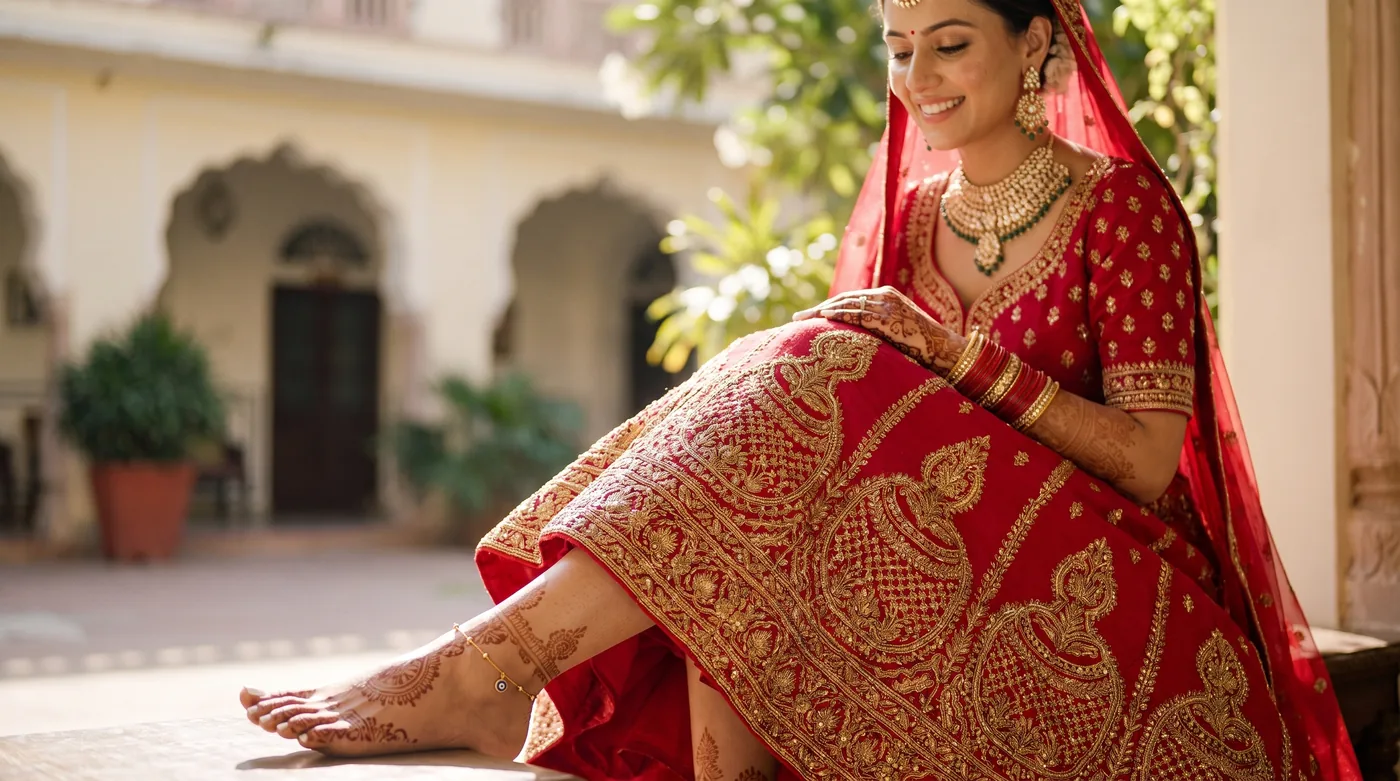
A dulhan payal is far more than a decorative bridal ornament, it is the rhythmic heartbeat of an Indian wedding ceremony and the grounding anchor of the sacred solah shringar. When a bride glides down the aisle toward the mandap, the soft, musical chime of her bridal anklets announces her presence, symbolising the auspicious arrival of Goddess Lakshmi into a new home. Whether crafted in radiant 22K yellow gold, reinforced 18K gold set with brilliant diamonds, or adorned with cascading bells and meenakari filigree, selecting the right dulhan payal requires balancing sacred cultural heritage with modern physical ergonomics. This comprehensive 2026 buying guide reveals everything you must know before investing in your bridal payal, from navigating gold purity alloys and mandatory BIS HUID hallmarking to calculating exact ankle drape clearance, avoiding zardozi embroidery snags, and ensuring 12-hour wedding ritual comfort.
Quick Guide: The Dulhan Payal Buying Checklist at a Glance
- Target Purity: Select 22K (91.6% pure gold) for traditional heirloom warmth and traditional link jhallar styles, or choose 18K (75.0% pure gold) for stone-studded, diamond-accented, or high-tensile link silhouettes that resist bending.
- Mandatory BIS Hallmarking: Verify the three mandatory BIS marks on every piece: the triangular BIS standard logo, the gold fineness grade (e.g., 22K916 or 18K750), and the unique 6-digit alphanumeric HUID stamped cleanly on the clasp.
- Sound and Weight Calibration: Balance musical chime with physical weight. A classic bridal pair typically weighs between 25 grams and 65 grams; choose hollow sealed bells (ghungroos) to achieve a sweet acoustic melody without dragging your ankles.
- Lehenga Hemline Clearance: Inspect the back of every link, charm, and bell. Ensure all settings are flush and smooth to prevent prongs from snagging on delicate cancan netting, silk linings, or zardozi metallic threads.
- Dual Clasp Security: Demand high-security closures such as reinforced lobster clasps, screw-barrel locks, or traditional S-hooks equipped with a safety secondary chain to ensure your payal never slips off during ceremonies or dancing.
What Is a Dulhan Payal and Why Does It Anchor Bridal Solah Shringar?
In classical Indian Vedic tradition, the adornment of a bride is codified into the sixteen sacred adornments known as the solah shringar. Spanning from the maang tikka at the crown of the head to the bichhiya (toe rings) on the feet, this ritualistic transformation prepares the bride spiritually and aesthetically for her union. Within this sacred aesthetic hierarchy, the dulhan payal holds a place of distinct spiritual reverence. Adorning the feet, the payal establishes a direct physical and symbolic connection to the earth, channelising positive vibrational energy while honoring the bride as the living incarnation of Grihalakshmi, the harbinger of prosperity and light.
Historically across diverse Indian regions, bridal anklets were celebrated under various regional names: known as payal or pajeb in the northern heartland, golusu or kolusu across Tamil Nadu and Andhra Pradesh, jhanjhar in Punjab, and nupur in Bengal. While traditional rural customs often favored silver anklets due to regional astrological beliefs regarding wearing gold below the waist, modern Indian bridal couture has witnessed a breathtaking evolution. Today’s discerning brides frequently commission custom 22K and 18K fine yellow gold bridal payal, diamond-encrusted contemporary anklets, and regal gemstone creations that harmonize flawlessly with opulent bridal lehengas and temple gold jewellery sets.
Beyond aesthetic grandeur, the rhythmic acoustic resonance of the dulhan payal serves a profound ceremonial function. The sweet chham-chham chime produced by miniature ghungroos creates a joyful sensory aura during the bride’s entry (chooda ceremony and phoolon ki chaadar walk), during the auspicious seven pheras around the holy agni, and throughout the emotional vidai. Understanding the balance between ceremonial grandeur and wearable engineering ensures that your bridal foot jewellery remains an enduring family treasure rather than a source of discomfort on your most memorable day.
Classic vs Contemporary Dulhan Payal Design Styles for Indian Brides
The world of dulhan payal design encompasses a rich spectrum of artistic traditions, ranging from heavy architectural heirlooms to sleek, lightweight luxury styles designed for modern celebrations. Finding the perfect silhouette involves matching your bridal lehenga silhouette, footwear choice, and personal comfort threshold.
1. Traditional Ghungroo-Laden Jhallar Payal
The jhallar payal is the quintessence of Indian bridal nostalgia. Characterized by a broad central band from which dense clusters of tiny dangling ghungroos (bells) cascade along the curvature of the foot, this style delivers maximum acoustic presence and ceremonial drama. Crafted with intricate mesh weaving or interlocking circular links, a traditional jhallar payal gently sweeps over the top of the bridal footwear, framing mehndi-adorned feet with resplendent golden texture. It remains the premier choice for traditional Punjabi, Rajasthani, and UP bridal ensembles.
2. Temple Architecture and Royal Filigree Bridal Payal
Drawing inspiration from the ancient temple shrines of South India, temple gold payal designs feature carved deities like Goddess Lakshmi and Lord Ganesha, surrounded by motifs of sacred peacocks, blooming lotuses, and royal kalash symbols. These designs often feature antique nakshi work, matte gold finishes, and subtle ruby or emerald cabochon accents. In contrast, royal filigree designs utilize gossamer-thin gold wires twisted and soldered into delicate geometric lacework, offering an opulent, regal visual texture with significantly reduced overall metal weight.
3. Kundan, Polki, and Jadau Encrusted Payal
For royal Mughal or Rajasthani palace weddings, Jadau and Kundan-Polki bridal payal represent the pinnacle of royal luxury. These masterpieces feature uncut polki diamonds or refined kundan foil settings embedded into 22K gold frameworks, often adorned on the reverse side with vibrant Meenakari (enameling). Because the back of a Jadau payal is enveloped in smooth, glass-like fired enamel, it feels remarkably soothing against bare skin, preventing metal abrasions during prolonged wear.
4. Sleek Diamond and Multi-Strand Modern Gold Anklets
As modern brides embrace destination weddings, cocktail sangeets, and contemporary pastel lehengas, minimalist gold anklets have surged in popularity. These sleek creations feature delicate double or triple strands of diamond-cut gold chains accented with bezel-set solitaire diamonds, floral charms, or petite evil-eye nazariya beads. Lightweight, whisper-quiet, and effortlessly chic, these modern styles transition seamlessly from the wedding mandap to honeymoon resort wear and festive post-wedding dinners.
Gold Purity for Bridal Payal: 22K vs 18K vs 14K Durability Analysis
Gold purity is one of the most vital technical considerations when investing in a dulhan payal. Because foot jewellery experiences direct physical mechanical stress, friction against shoes, and accidental tugs from heavy fabric hems, understanding alloy durability is essential.
22 Karat Gold (91.6% Pure Gold): 22K gold is celebrated for its warm, deep golden yellow hue and traditional heirloom prestige. Because 22K gold contains only 8.4% alloy metals (such as copper, silver, and zinc), it is relatively soft and malleable. If you choose a 22K dulhan payal, ensure that the links are thick, solid, and hand-soldered. Ultra-fine gossamer chains in 22K gold are prone to stretching or deforming under the physical strain of walking in heavy bridal footwear.
18 Karat Gold (75.0% Pure Gold): 18K gold offers the premier balance of fine jewellery prestige and structural tensile strength. Composed of 75% pure gold alloyed with 25% strengthening metals, 18K gold possesses the structural hardness required to securely hold genuine diamonds, precious gemstones, and delicate micro-mechanisms without bending. It provides a radiant, sophisticated golden tone that pairs impeccably with contemporary couture and offers outstanding resistance to daily wear and tear.
14 Karat Gold (58.5% Pure Gold): 14K gold contains 58.5% pure gold and 41.5% alloying elements, making it exceptionally tough, scratch-resistant, and resilient against everyday friction. While less common for heavy heirloom wedding ceremony sets, 14K gold is the gold standard for daily-wear anklets, modern lightweight bridal trousseau pieces, and destination wedding jewellery where maximum physical durability is paramount.

BIS Hallmarking Verification: Ensuring Authenticity in Bridal Gold Jewellery
When purchasing a gold dulhan payal in India, verifying official hallmarking is non-negotiable. Under the regulations mandated by the Bureau of Indian Standards (BIS) and the Government of India, every piece of gold jewellery sold by registered jewellers must carry authentic hallmarking to guarantee exact purity and consumer protection.
Every genuine hallmarked gold bridal payal must feature the three mandatory laser-engraved hallmarks:
- The BIS Triangular Logo: The official triangular emblem confirming standard compliance under Indian law.
- Purity and Fineness Mark: The exact karatage and parts-per-thousand fineness stamp: 22K916 for 22 Karat gold (91.6% purity), 18K750 for 18 Karat gold (75.0% purity), or 14K585 for 14 Karat gold (58.5% purity).
- The 6-Digit Alphanumeric HUID: The Hallmark Unique Identification code, a distinct alphanumeric identifier laser-inscribed on each jewellery article, ensuring absolute traceability from the certified Assaying and Hallmarking Centre.
Consumers can easily verify their jewellery in seconds using the official BIS Care App (available on Android and iOS). Simply type the 6-digit HUID inscribed on your payal’s clasp into the app to view the jeweller’s registration details, assaying centre credentials, date of hallmarking, and certified metal purity. Additionally, remember that gold jewellery purchases in India attract a uniform Goods and Services Tax (GST) rate of 3% on both the net gold value and making charges. Always insist on a detailed GST invoice specifying the gross weight, net gold weight, stone weight, making charges, and unique HUID.
The Sound Factor: Calibrating Ghungroo Chime, Rhythm, and Resonance
The acoustic signature of a dulhan payal is one of its most enchanting romantic qualities. Yet, many brides overlook the sound profile of their anklets until the wedding day, discovering too late that their bells either sound unpleasantly harsh or fail to chime at all. Understanding the craftsmanship behind ghungroo construction enables you to curate the ideal acoustic ambiance for your wedding.
Traditional Indian ghungroos are crafted using either hollow stamped metal or cast metal bells containing a tiny internal ball (chharra) made of solid metal. The tone and volume are governed by three mechanical factors:
- Bell Volume and Wall Thickness: Thinner metal walls produce a higher-pitched, brighter acoustic ring, whereas thicker hand-beaten gold bells emit a softer, deeper chime.
- Slit Configuration: The cross-slit or four-petal opening at the bottom of the bell allows sound waves to resonate outward; ensure the slits are smooth and cleanly cut so the internal pellet moves freely without jamming.
- Cluster Density: Broad jhallar payals with dense triple rows of bells produce a continuous, rhythmic rustle with every step. In contrast, modern minimalist payals featuring spaced single bells offer an understated, delicate whisper that enhances intimacy without overwhelming video microphones.
Editorial Tip: If your wedding rituals involve extensive speaking, sacred mantra chanting, or intimate cinematic audio recording, test the sound of your payal by walking on both hard marble and soft carpet. A refined, melodious chime elevates the sacred atmosphere, whereas excessive clattering can distract during serene ritual moments.
Weight Distribution and Ergonomics: Surviving 12-Hour Wedding Rituals
An Indian wedding day is an endurance marathon. From early morning haldi and chooda rituals through hours of standing for photographs, walking the pheras, and dancing at the sangeet, a bride is on her feet for 10 to 14 consecutive hours. An ill-conceived or improperly balanced payal can cause severe ankle chafing, skin pinching, and muscular fatigue.
When selecting your dulhan payal weight, consider these ergonomic principles:
- Ceremonial Heavyweights (45g to 80g+ per pair): These dramatic statement pieces are ideal for traditional, seated ceremonies and majestic bridal portraits. Because of their substantial mass, ensure the weight is distributed across a wide band (at least 15mm to 25mm in width) rather than concentrated on a narrow chain that bites into the skin.
- Mid-Weight Balanced Sets (20g to 40g per pair): The sweet spot for modern brides. These designs deliver rich visual layering, generous ghungroo fringe, and complete structural security while remaining comfortable enough for all-night sangeet dancing.
- Ultra-Lightweight Modern Anklets (8g to 18g per pair): Perfect for contemporary ceremonies, destination beach weddings, reception gowns, and daily post-wedding wear. They offer effortless movement with zero ankle fatigue.
Curated Fine Gold Bridal Jewellery Highlights
A magnificent dulhan payal reaches its fullest glory when paired harmoniously with complementary fine gold jewellery across your bridal trousseau. From protective nazariya accents and timeless gold bangles to auspicious mangalsutra chains and brilliant diamond bracelets, explore our curated selection of certified fine gold jewellery designs to complete your bridal aura.


Curated Design Highlights:
- The Zamen Nazariya Anklet: An exquisite 18K yellow gold protective nazariya anklet featuring sleek black beads and glowing gold spheres, perfect for modern bridal layering and post-wedding daily charm.
- The Channing Bangle: A majestic 18K yellow gold bangle with sculpted linear craftsmanship and high-gloss polish, bringing timeless royalty to any bridal wrist stack.
- The Estrella Oval Bangle: An ergonomic oval silhouette studded with brilliant round diamonds set against warm 18K yellow gold, offering unmatched comfort during lengthy wedding rituals.
- The Shubhlatika Mangalsutra Necklace: A sacred celebration of marital auspiciousness crafted with floral gold motifs, luminous diamonds, and certified black beads.
- The Shining Star Bracelet: A sparkling diamond bracelet articulated in flexible 18K gold links, delivering brilliant radiance for sangeet nights and modern bridal receptions.
- The Tarentella Oval Bangle: A regal, broad 18K gold bangle with diamond flourishes, designed to anchor traditional red bridal chooda sets with aristocratic grace.
Lehenga Drape and Footwear Clearance: How to Avoid Zardozi Snags
One of the most frequent bridal wardrobe emergencies is a heavy payal becoming entangled in the hem of a designer lehenga. Traditional bridal lehengas feature dense zardozi embroidery, stiff cancan underskirts, delicate raw silk linings, and metallic wire dabka work. If your bridal payal has sharp claws, open prong settings, or rough link edges, it can catch on the hem with every step, causing fabric pulls or sudden tripping hazards.
To ensure snag-free movement down the aisle, evaluate these three construction criteria:
- Smooth Backing Architecture: Run your fingertips along the entire reverse side of the payal. The inner surface resting against your skin and sock lining must be completely smooth, polished, and free of protruding wire ends or sharp solder joints.
- Flush Bezel and Channel Settings: If your dulhan payal incorporates gemstones, polki, or diamonds, opt for bezel, collet, or channel settings rather than high-prong claw settings. Flush stone settings provide a mirror-smooth outer surface that glides harmlessly against silk.
- Footwear Heel Clearance: Always try on your payal while wearing your exact bridal footwear (whether custom embroidered juttis, embellished block heels, or Kolhapuri wedges). The payal must drape naturally above the shoe collar. If it hangs too low, the back of your shoe heel can pinch the lower link fringe, pulling the anklet taut and causing breakage.

Ankle Sizing and Clasp Security: How to Measure and Lock Your Bridal Payal
Unlike rings or bangles, anklets require precise measurement to achieve the ideal visual drape without risking slippage. An anklet that is too tight will constrict circulation and pinch the Achilles tendon when seated during Vedic rituals, while an overly loose payal will slide beneath your heel and suffer mechanical damage.
How to Measure Your Ankle Circumference Accurately
- Locate the Malleolus Bone: Stand barefoot on a level floor with your weight evenly distributed across both feet.
- Wrap a Flexible Measuring Tape: Wrap a soft seamstress tape around your ankle directly above the prominent ankle bone (the lateral malleolus). Keep the tape snug against the skin without pulling it tight.
- Add the Ideal Drape Allowance: For a fitted contemporary payal, add 0.5 inches (1.25 cm) to your measurement. For a traditional cascading jhallar payal that rests gracefully over the top of the foot, add 0.75 to 1.0 inch (2.0 to 2.5 cm).
- Standard Indian Bridal Sizing: Standard Indian women’s payal lengths typically range from 9.5 inches (24 cm) to 10.5 inches (26.7 cm). Many fine gold payals feature an additional 1-inch extender loop chain for micro-adjustments.
Selecting the Right Clasp Mechanism for Bridal Security
Given the substantial financial and sentimental value of a gold dulhan payal, clasp security is paramount. Traditional designs often rely on an S-hook clasp, which functions by bending the gold hook through a jump ring. While culturally classic, pure gold S-hooks can weaken and stretch open over repeated uses. If your payal features an S-hook, ensure your jeweller attaches a soldered safety chain that catches the anklet if the main hook opens. For modern peace of mind, high-tension reinforced lobster clasps, screw-barrel twist locks, and box-tongue clasps with dual figure-eight safety catches offer superior reliability during energetic celebrations.
Bridal Payal Care and Storage: Maintaining Gold Lustre Post-Wedding
Your wedding day is only the beginning of your dulhan payal’s heirloom journey. Because foot jewellery comes into direct contact with floor dust, ceremonial kumkum and haldi powders, foot perspiration, and heavy cosmetic moisturizers, thorough post-wedding care is essential to preserve its golden brilliance.
- Immediate Post-Ceremony Cleaning: Gently wipe the payal with a soft, lint-free microfiber cloth to remove perspiration, floral juices, and cosmetic residue before storing it.
- Warm Soapy Water Bath: For deeper cleaning, soak solid gold payals in lukewarm water with a few drops of mild chemical-free dish soap for 10 minutes. Use an ultra-soft infant toothbrush to clean dust trapped between miniature ghungroo clusters, rinse thoroughly with fresh water, and pat completely dry with a soft towel.
- Avoid Mehendi and Chemical Bleach Exposure: Fresh bridal henna (mehendi) pastes and chemical bleach contain active compounds and essential oils (like eucalyptus) that can tarnish surface alloys or discolour enamelled meenakari work. Allow bridal mehndi to dry completely and wash away excess paste before fastening your gold payal.
- Moisture-Free Individual Storage: Always store each payal individually in a soft fabric-lined jewellery box or velvet pouch. Storing both anklets together in a single bag causes delicate chains and bells to tangle and scratch each other.
Final Thoughts on Selecting Your Dream Bridal Anklet
Choosing your dulhan payal is one of the most delightful and sentimental milestones of your bridal journey. The perfect bridal anklet honors centuries of sacred cultural tradition while providing the structural integrity, snag-free comfort, and security you need to savor every single step of your wedding day. By verifying certified BIS HUID hallmarking, selecting the ideal 22K or 18K gold alloy for your lifestyle, calibrating your ghungroo sound profile, and ensuring seamless lehenga drape clearance, you secure a timeless heirloom that will shine brilliantly across future anniversaries, family festivals, and milestone celebrations.
More Jewellery & Buying Guides
Continue your fine jewellery discovery with our comprehensive buying and styling guides. Learn how to inspect hallmarking authenticity in our guide on how to check gold purity, understand exact tax breakdowns in our comprehensive analysis of GST on gold jewellery in India, discover essential consumer rights in our report on is buying gold jewellery online safe in India, master retailer billing with our step-by-step breakdown of the gold rate calculation formula in India, or explore traditional hair and ear adornments in our ear chain gold 2026 buying guide.
Frequently Asked Questions About Dulhan Payal
What is the cultural significance of wearing a dulhan payal during an Indian wedding?
A dulhan payal is one of the essential sixteen adornments (solah shringar) in Vedic bridal tradition. Symbolizing the presence of Goddess Lakshmi, the auspicious chime of the bride’s anklets announces her entry into the home, ushering in good fortune, harmony, and joy while grounding her spiritual aura.
Can a bride wear gold dulhan payal instead of traditional silver?
Yes, modern Indian brides frequently choose fine 22K and 18K yellow gold bridal payal. While ancient regional folklore preferred silver below the waist for daily wear, gold bridal payal is widely embraced in contemporary royal, South Indian, and modern fusion ceremonies to match elaborate bridal jewellery.
Which gold purity is best for a dulhan payal design: 22K or 18K?
For traditional jhallar styles with dense gold work, 22K gold (91.6% purity) offers rich heritage lustre. For stone-studded, diamond-accented, or sleek multi-strand contemporary payal, 18K gold (75.0% purity) provides superior structural strength and scratch resistance, ensuring the links never bend or break under walking strain.
How can I prevent my dulhan payal from snagging my bridal lehenga embroidery?
To avoid snagging, select a dulhan payal with smooth, hand-finished link backs and flush bezel or channel settings rather than sharp prong settings. Always test your payal with your exact bridal footwear and lehenga lining to verify there is sufficient clearance above the shoe collar.
How do I determine the right size for a bridal payal?
Measure your bare ankle circumference just above the ankle bone using a flexible measuring tape. For a fitted modern anklet, add 0.5 inches; for a traditional cascading bridal jhallar payal that rests gracefully over the top of the foot, add 0.75 to 1.0 inch to allow comfortable drape.
How do I verify if my gold dulhan payal is authentic and BIS hallmarked?
Check for three mandatory laser markings on the clasp: the triangular BIS logo, the gold fineness mark (such as 22K916 or 18K750), and the 6-digit alphanumeric HUID code. Enter the 6-digit HUID into the official BIS Care App to instantly verify the piece’s certified purity and registration.
Leave a Reply